Thinking about a central Boulder neighborhood that feels tucked away yet keeps you close to downtown, CU, and the foothills? If so, Orange Orchard may be on your radar. It is a small micro-neighborhood inside the 80301 ZIP where you’ll find a residential vibe, everyday convenience, and quick access to Boulder’s favorite trails and cafés. In this guide, you’ll get a clear sense of the location, housing, lifestyle, commuting options, schools, and practical buying notes so you can decide if it fits your plans. Let’s dive in.
Where Orange Orchard sits in Boulder
Orange Orchard sits within Boulder’s 80301 ZIP, in central Boulder. Micro-neighborhood borders in this part of town are often informal. For exact boundaries, you should confirm with official City of Boulder neighborhood maps or Boulder County parcel records.
You can expect a compact, primarily residential setting with easy access to downtown and the University of Colorado. Drive times to central attractions and CU are generally short, often under 10 to 15 minutes depending on traffic and time of day. From here, you can head west toward the foothills, or east and south via major corridors for regional commuting.
Housing style and lot sizes
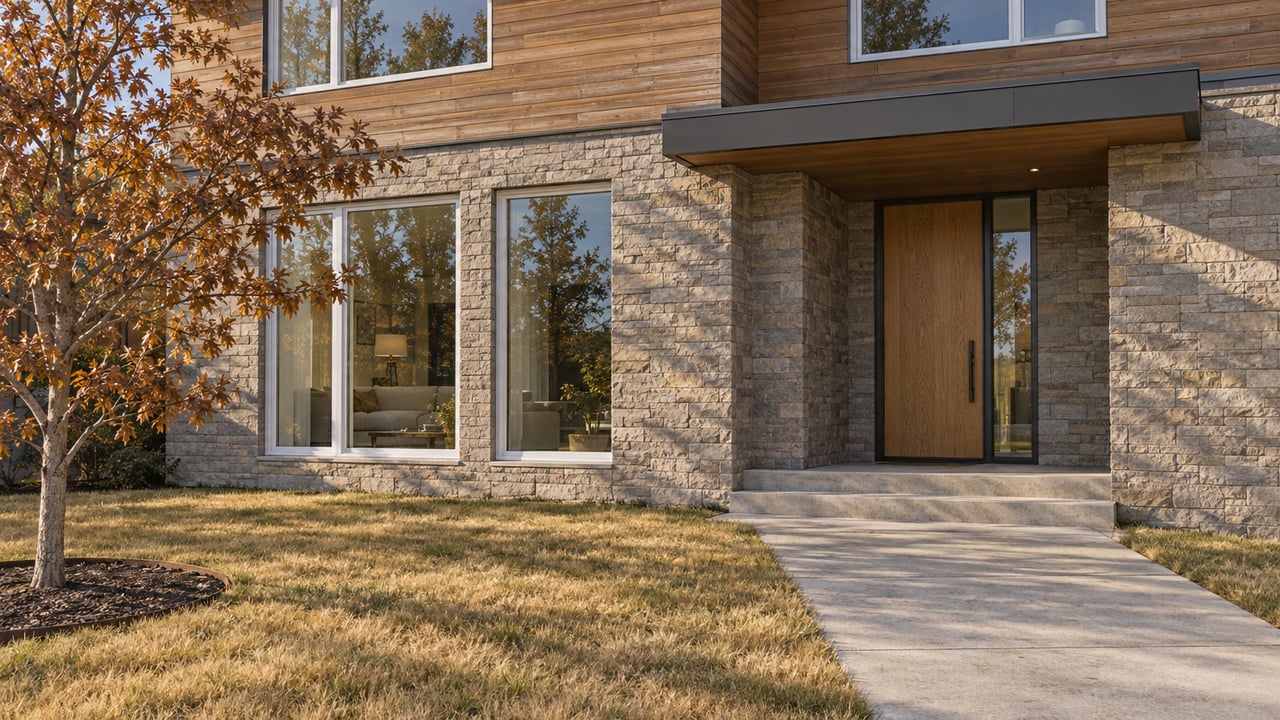
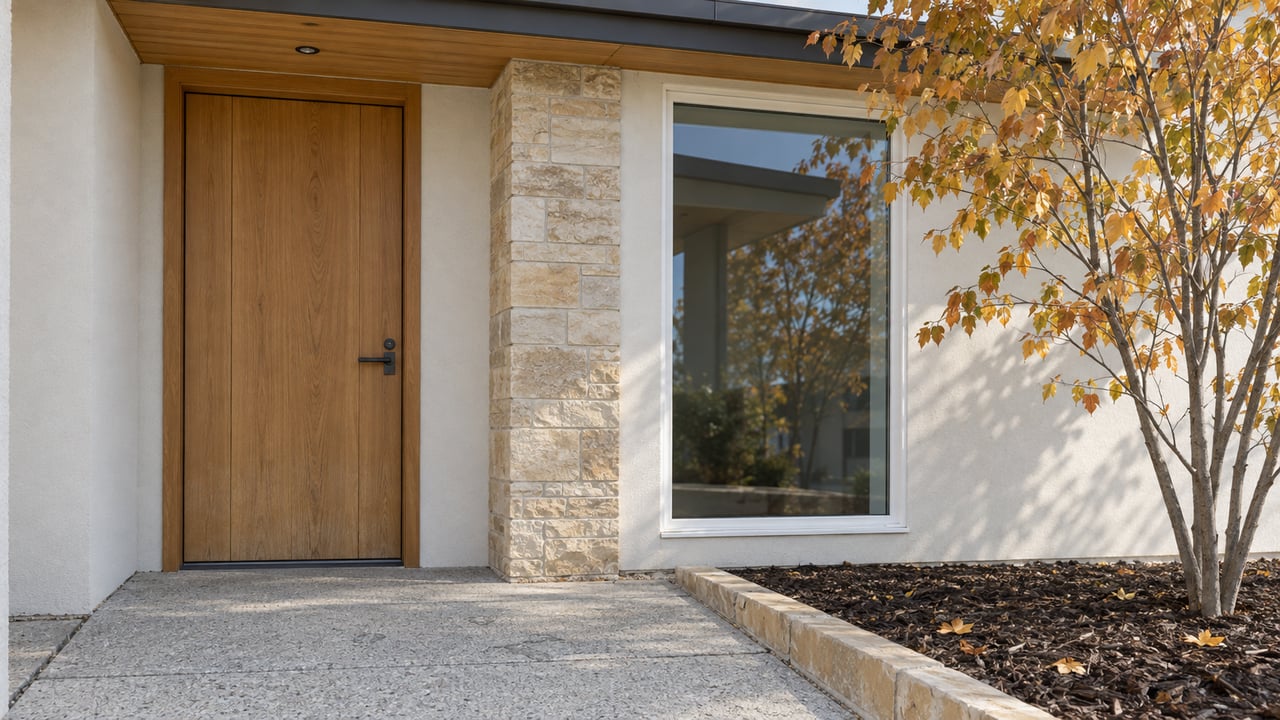
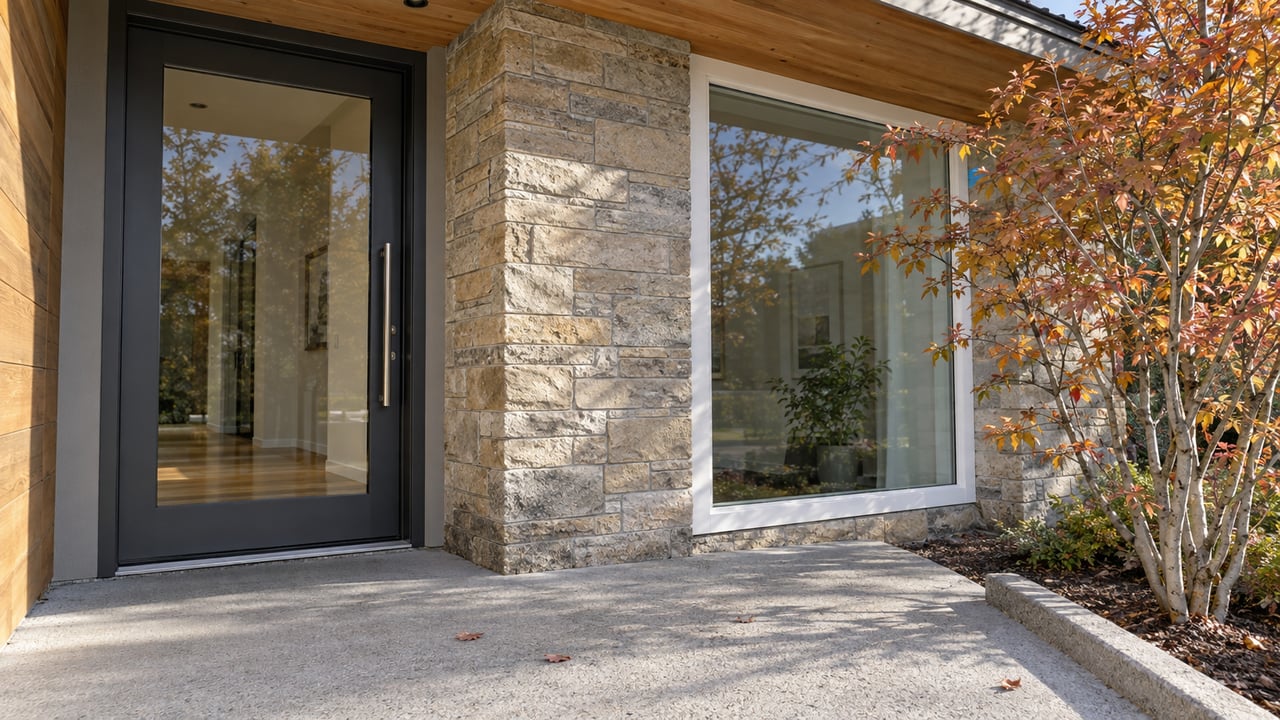
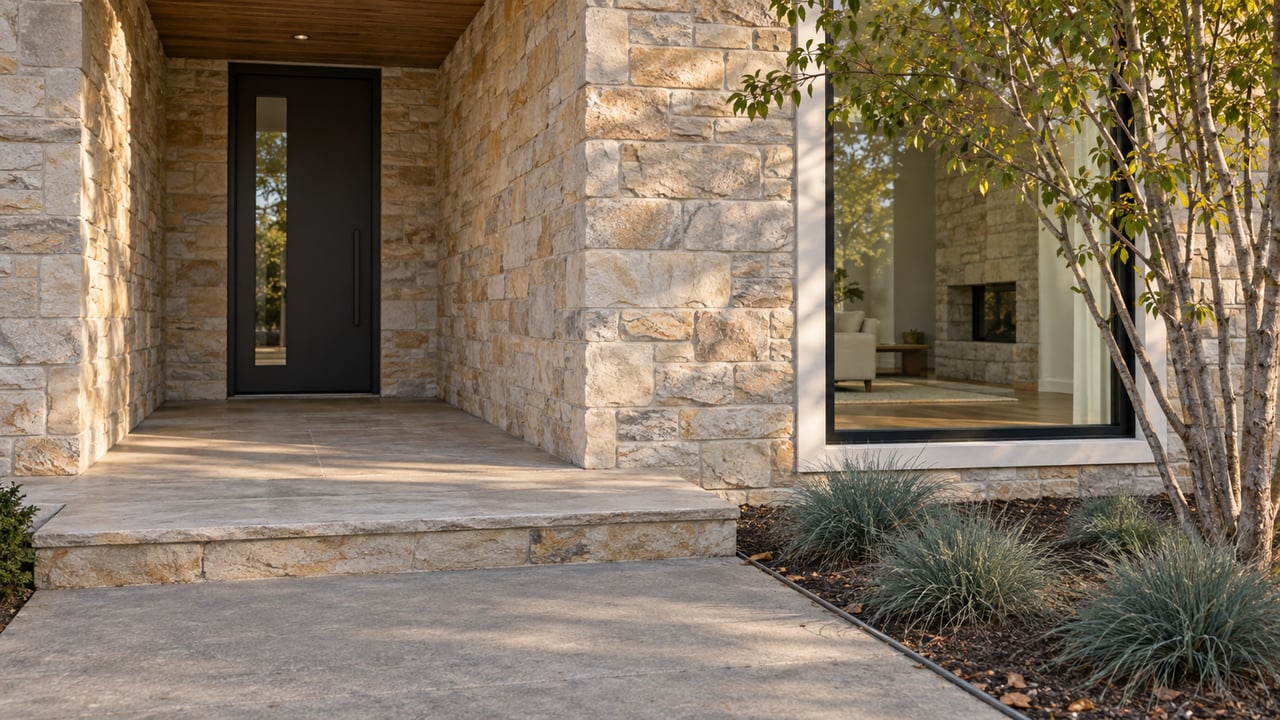
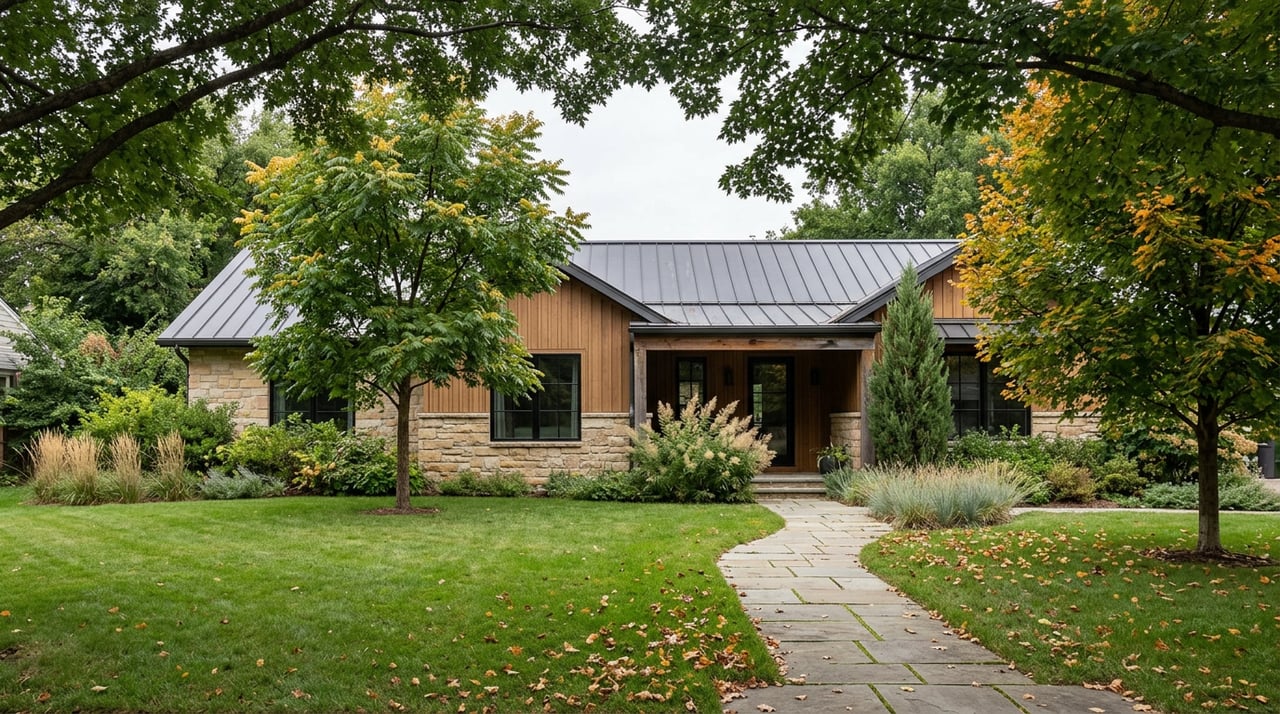
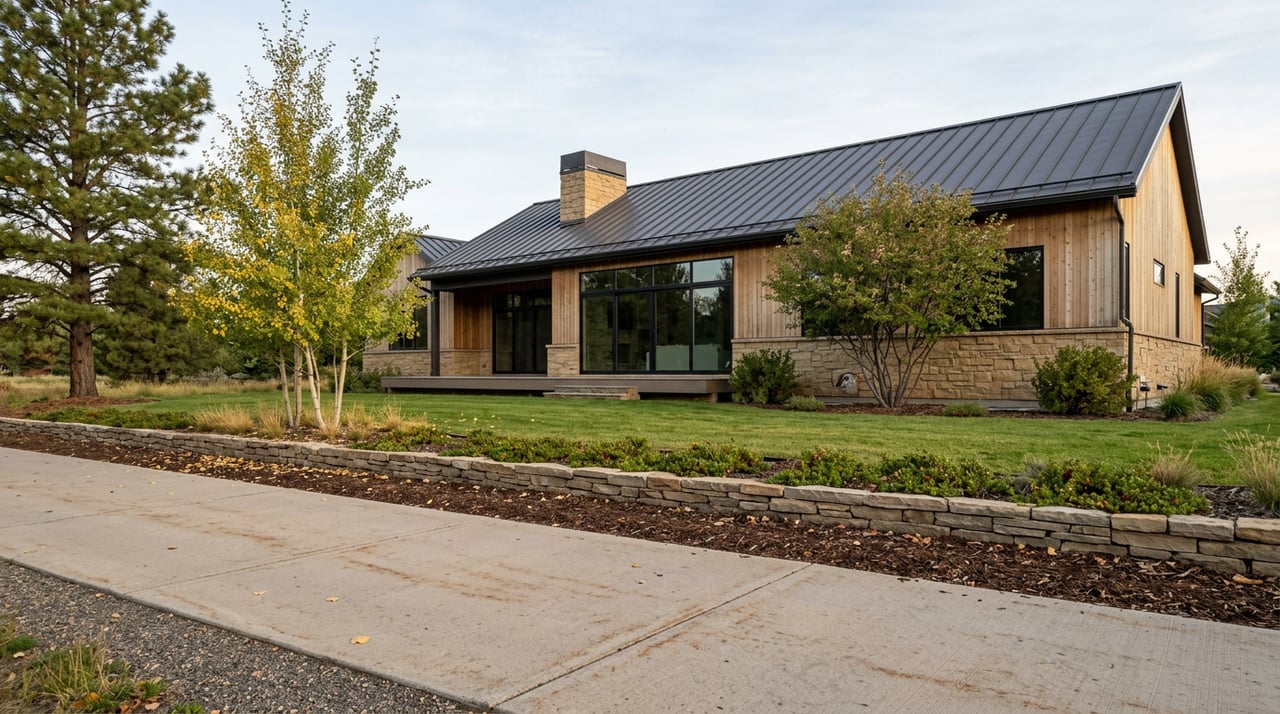
If you know central Boulder, the look and feel of Orange Orchard will feel familiar. You may see older single-family homes and bungalows, as well as a mix of duplexes, small multi-unit buildings, and newer infill townhomes where lots have redeveloped. Some properties have been renovated with contemporary finishes, and a few larger or combined lots may host newer construction.
Lot sizes in central ZIPs like 80301 are typically smaller than suburban areas. It is common to see footprints roughly in the 3,000 to 8,000 square foot range, with variation by block and proximity to commercial corridors. For a specific address, you should check Boulder County assessor parcel data to verify the lot size and any unique features.
High demand and limited inventory are the norm in central Boulder, which can push prices above citywide medians and shorten days on market. You may also see ongoing infill activity, such as townhomes or duplexes replacing older structures. If you value walkability and proximity, you are trading for smaller lots and a denser streetscape compared with outlying neighborhoods.
Lifestyle, parks, and trails
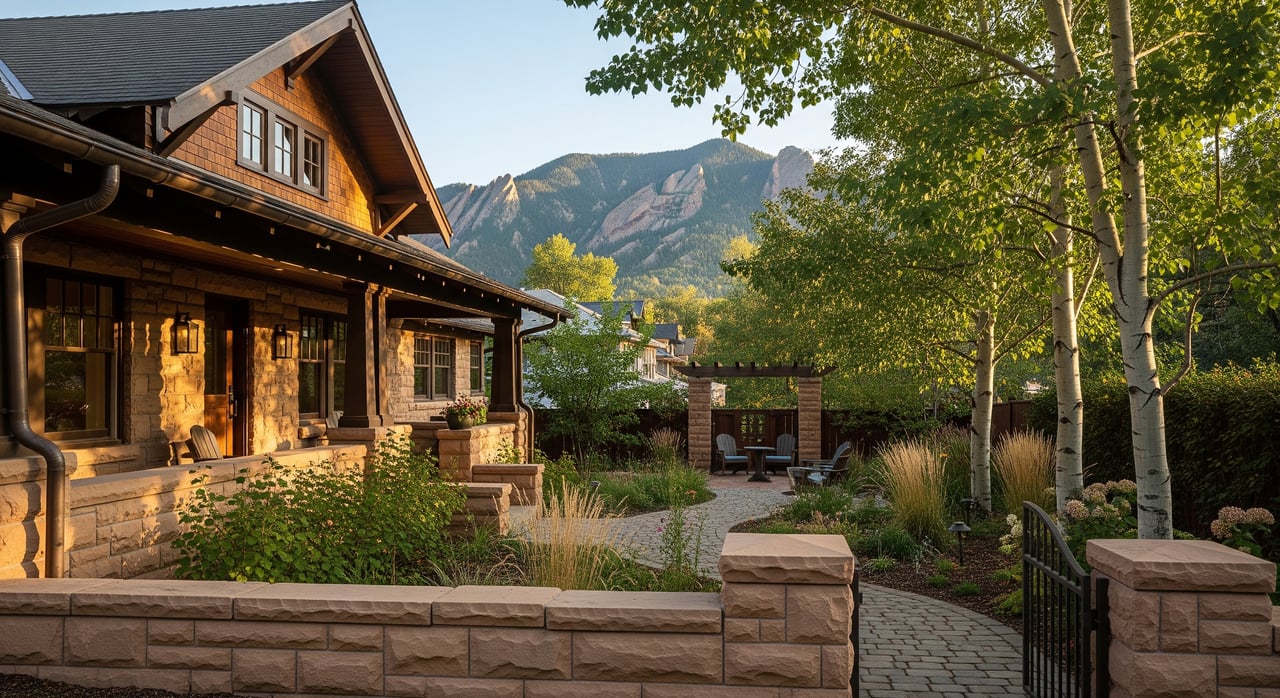
One of the biggest draws of central Boulder living is access to the outdoors. From Orange Orchard, you can get to foothill trailheads for after-work hikes or weekend trail runs within a short drive or bike ride. Boulder’s open space and trail network is extensive, and the Boulder Creek Path serves as a major east-west route for walking, running, and cycling.
Neighborhood parks and pocket green spaces add simple daily joys like playground time, picnics, and dog walks. Larger community parks and Boulder County Open Space & Mountain Parks are nearby, making it easy to plan a quick trail outing without a long drive. You can also head to Pearl Street Mall for dining, shopping, and seasonal events, or explore local coffee shops and breweries scattered throughout central Boulder.
The day-to-day rhythm is active yet convenient. You might walk or bike for errands, grab a quick lunch downtown, and still make a sunset trail run in the foothills. Evenings can be lively around downtown and University Hill, while residential blocks keep a quieter feel.
Getting around and commute
Central Boulder is built for multi-modal movement. Many residents choose to bike or walk for nearby errands. If you drive, major routes such as Broadway, Canyon Boulevard, Baseline or Arapahoe, and Foothills Highway connect you across town and to US-36.
For regional commuting, US-36 is the common route to Denver. Travel times vary with congestion, and peak periods can exceed 30 to 45 minutes. Public transit is a helpful option. RTD provides local routes and regional service, including the Flatiron Flyer bus rapid transit for express travel along the US-36 corridor. If you work in Denver, that express bus can be a practical alternative depending on your schedule.
Parking in central neighborhoods can be tighter than in suburban areas. Some streets use residential permit systems, so you should verify any on-street restrictions or permit requirements for your specific address. Older homes may have limited off-street parking, which is an important factor to consider when comparing properties.
Schools and childcare
Orange Orchard is served by Boulder Valley School District (BVSD). BVSD manages public elementary, middle, and high schools across the city, along with boundary maps and an assignment lookup tool. Because micro-neighborhood boundaries and assignments can change, you should always confirm your specific property’s assigned schools with BVSD before you make decisions.
You will also find private and charter options across Boulder, including preschools and K–8 schools. Availability for childcare and preschools can be competitive in central neighborhoods, so an early start on enrollment research helps. As a major higher-education anchor, the University of Colorado Boulder influences amenities, rental demand, and traffic patterns in the broader area.
When evaluating schools, use multiple lenses and tools. Ratings are one data point, but programs, logistics, and fit matter. It helps to visit schools, speak with administrators, and review BVSD resources as part of your planning.
Buying considerations and local rules
Central Boulder homes often come with unique details. Older properties can offer character and location benefits, but they may require updates. During inspections, pay attention to foundations, mechanical systems, insulation, energy efficiency, and any seismic or utility upgrades. Many homes have already been updated, but every property is different.
Zoning and infill are ongoing factors in central neighborhoods. Smaller lots sometimes redevelop into duplexes or townhomes, which changes streetscapes and supply. Before you buy, it is wise to review City of Boulder zoning maps and any recent planning approvals near the property you are considering.
Short-term rentals are regulated by the City of Boulder. If you are thinking about rental income, review the latest city code and permitting rules. Property taxes reflect Boulder County assessments and local mill levies, so you should verify current rates with the county and confirm any exemptions that apply to you.
Utilities and services vary by property. The City of Boulder typically provides water and sewer inside city limits, while electricity and gas come from regional providers. Always confirm providers at the parcel level. Snow removal, trash, and on-street parking rules are also practical details that can affect daily life.
Use this quick checklist as you evaluate homes:
- Confirm the property’s zoning and allowable uses.
- Review building permit history and any open permits.
- Verify BVSD school assignments for the address.
- Check on-street parking rules and permit needs.
- Confirm utility providers, property tax estimates, and any special district fees.
- Ask for recent updates to roof, HVAC, electrical, plumbing, insulation, and windows.
- Review any HOA documents for townhomes or multi-unit properties.
Who Orange Orchard fits
You will appreciate Orange Orchard if you want a central location with a residential feel. The buyer mix in 80301 often includes local professionals, households who value quick access to schools and parks, and renters or students nearer to CU corridors. If you enjoy walking or biking to daily conveniences and having the foothills close by, this area can be a strong match.
Because inventory is tight, it helps to be ready. Understand your must-haves versus nice-to-haves, and prepare your financing so you can act decisively when the right home appears. Working with a local advisor who understands Boulder’s micro-markets will help you weigh trade-offs like lot size, renovation scope, and proximity to downtown.
Next steps
If Orange Orchard aligns with your goals, start with a clear plan. Outline your budget, timeline, and desired home type, then review recent neighborhood comps and active listings to set expectations. From there, tour a range of properties so you can see how older homes, renovated options, and newer infill townhomes compare side by side.
You deserve guidance that blends neighborhood insight with professional marketing and negotiation. For trusted, high-touch support from a locally rooted advisor with deep knowledge of Boulder’s micro-markets and luxury marketing capability, connect with Maureen McCarthy. Whether you are buying, selling, or just exploring your options, you will get practical, client-first advice to move forward with confidence.
FAQs
What and where is Orange Orchard in Boulder?
- Orange Orchard is a small micro-neighborhood within Boulder’s 80301 ZIP. Borders are informal, so you should confirm exact boundaries using City of Boulder neighborhood maps or Boulder County parcel records.
What types of homes are in Orange Orchard?
- You will find older single-family homes and bungalows, some duplexes and small multi-unit buildings, and newer infill townhomes where lots have redeveloped. Renovated homes with contemporary updates are also in the mix.
How long is the commute to downtown Boulder or CU?
- Drive times are generally short from central Boulder, often under 10 to 15 minutes depending on time of day. For regional trips, US-36 is the main route, and peak periods to Denver can exceed 30 to 45 minutes.
Which public schools serve Orange Orchard?
- Orange Orchard is within Boulder Valley School District. Always verify your specific address using BVSD’s boundary maps and assignment tools, since boundaries and assignments can change.
Are short-term rentals allowed in Orange Orchard?
- The City of Boulder regulates short-term rentals. If rental income is part of your plan, review the city’s current code and permit requirements for your specific property.
What should I look for when inspecting an older home?
- Focus on foundation and structural integrity, HVAC, electrical, plumbing, insulation, windows, and roof. Also review building permit history, any renovations, and energy efficiency improvements.
Is parking difficult in central Boulder neighborhoods?
- Parking can be tighter than in suburban areas. Some streets use residential permit systems, and older homes may have limited off-street parking, so verify rules and options for your address.