Every relocation guide written about Boulder this year says roughly the same thing: the market is cooling, buyers finally have room to breathe, and the frantic bidding wars of a few years ago have given way to something closer to patience. In the three months ending May 2026, homes across Boulder sold for a median of $854,000, down 14.5 percent from the same stretch the year before, and the typical listing now takes about 50 days to sell instead of 44. Zoom out to Boulder County as a whole and the story holds: a trailing 30-day median sale price of $678,750, down 8.4 percent year over year as of mid-2026, with nearly 30 percent of active listings taking a price cut along the way.
If you're comparing neighborhoods right now, that's the backdrop you've already absorbed. What the portals won't tell you is that one small pocket of North Boulder isn't behaving like the rest of the city at all, and the reason has almost nothing to do with interest rates or buyer sentiment.
The Citywide Story Everyone Is Reading
Boulder's slowdown shows up in every measure that matters to a buyer weighing timing. Inventory has climbed to somewhere between 593 and 693 active listings depending on the month you check, up from the thinner counts of prior years. Days on market have stretched into the 63-to-100-day range in several reports covering early 2026, a real shift from the 24-hour bidding wars that defined the pandemic years. Sellers are conceding more, buyers are inspecting more, and the whole system is behaving like a market that's finally exhaling.
That's the frame a researcher brings into any neighborhood comparison this year: more choice, more leverage, more time to think. It's a fair read of Boulder as a whole. It's a poor prediction for Orange Orchard.
A Neighborhood That Isn't Playing Along
Listing pages that track this small subdivision east of 28th Street describe it in language that doesn't match the rest of Boulder's 2026 story at all. Homes here, multiple brokerage sites note, don't come up for sale very often, and when they do, they tend to move quickly. That's not a market cooling. That's a market where the supply problem was never about rates or inventory cycles in the first place.
A relocation guide written for buyers comparing Boulder's northeast neighborhoods puts a finer point on it, describing Orange Orchard as having larger, buildable lots alongside a generational turnover that's only now beginning to happen. In plain terms: a meaningful share of the people who own homes here bought decades ago, on lots sized for a different era of building, and they haven't needed to sell regardless of what days-on-market looks like three miles south.
That single fact explains more about Orange Orchard's inventory than any citywide trend line could. A slowdown driven by rates or buyer hesitation reverses when conditions change. A slowdown driven by long-tenured owners who bought before the lots around them were subdivided doesn't reverse on the same schedule. It reverses on a family timeline, not a market one.
Two Different Buyers Compete for the Same Address
Here's the part that catches researchers off guard once they've absorbed the generational-turnover piece. A large, buildable lot in a low-turnover neighborhood doesn't attract one kind of buyer. It attracts two, and they're not shopping for the same thing.
One buyer wants the house that's already there: someone looking for a move-in-ready home in a quiet, tree-lined subdivision close to the amenities along 28th and Iris. The other buyer wants the dirt underneath it, because a larger buildable lot in a desirable, tightly held pocket of North Boulder is exactly the kind of parcel a builder or a redevelopment-minded buyer watches for. When a listing does surface in Orange Orchard, it isn't just competing against the handful of comparable homes on the portal. It's competing against a category of buyer who has no interest in the house at all and every interest in what could replace it.
That's a different negotiation than the citywide "more room to breathe" story implies. Longer days on market elsewhere in Boulder generally means sellers are adjusting expectations downward. In a neighborhood where a chunk of the buyer pool is valuing the lot rather than the structure, a slower citywide market doesn't automatically translate into slower absorption locally.
What You're Actually Sizing Up
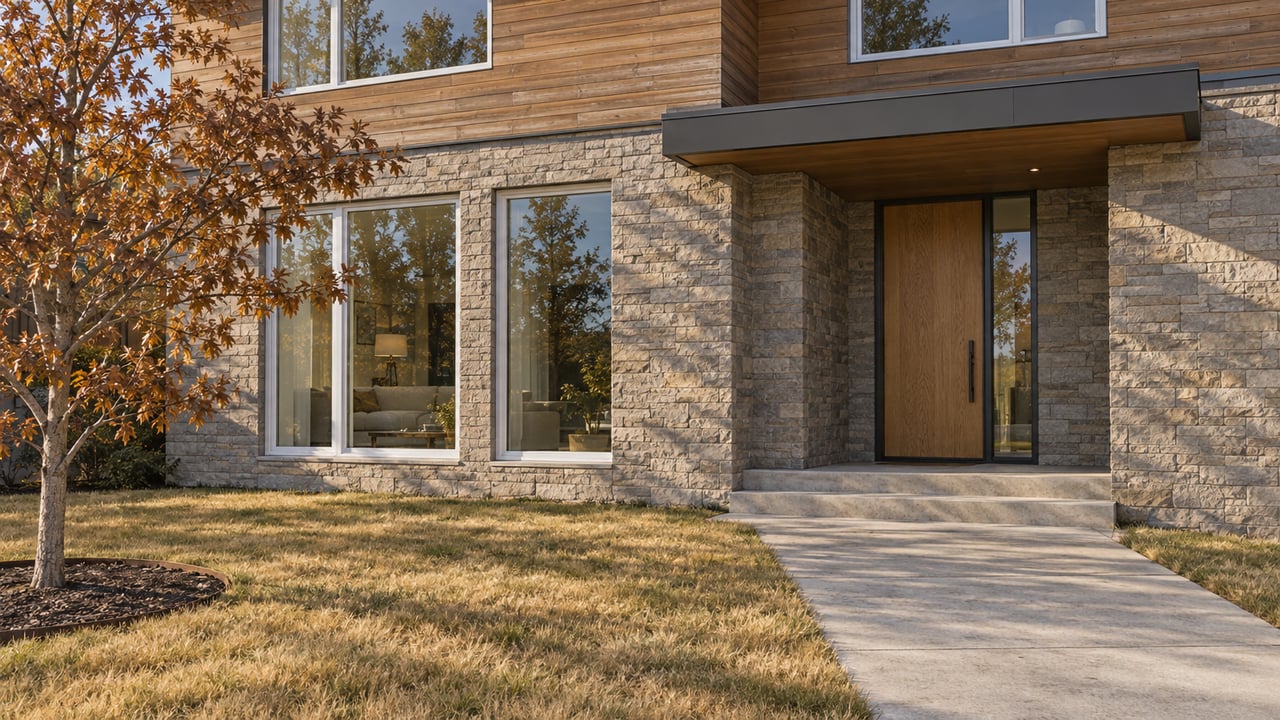
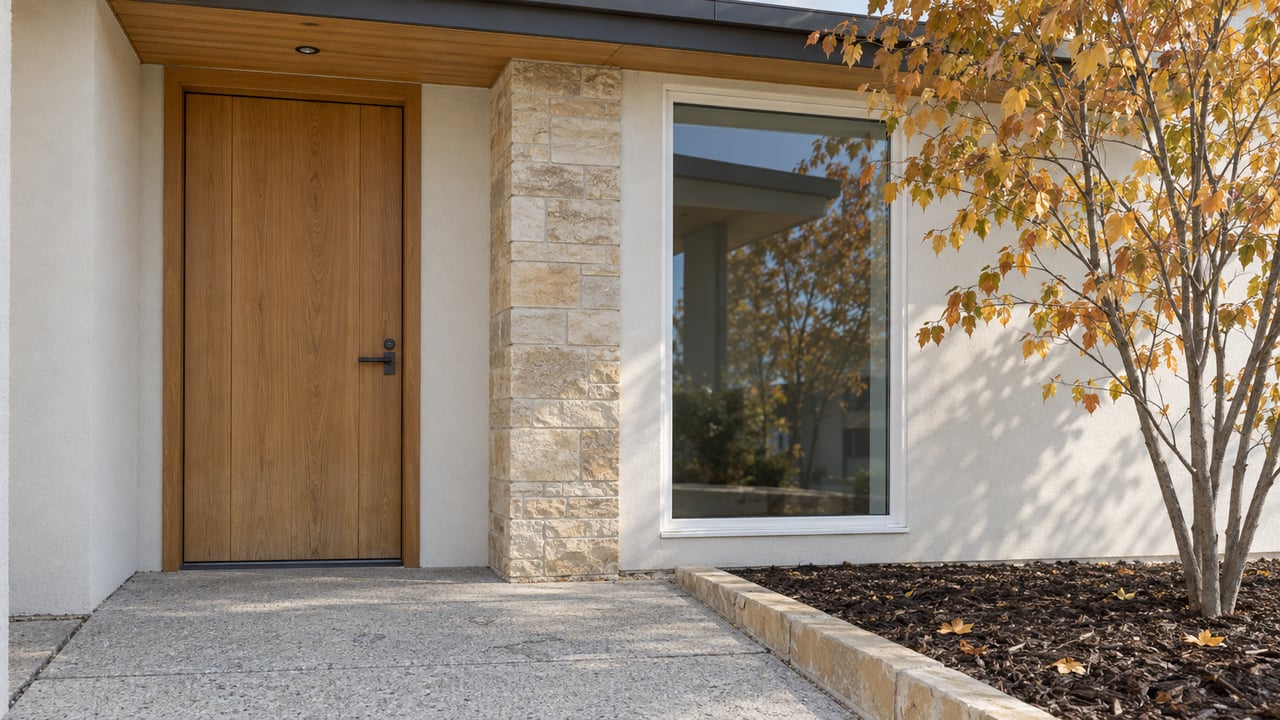
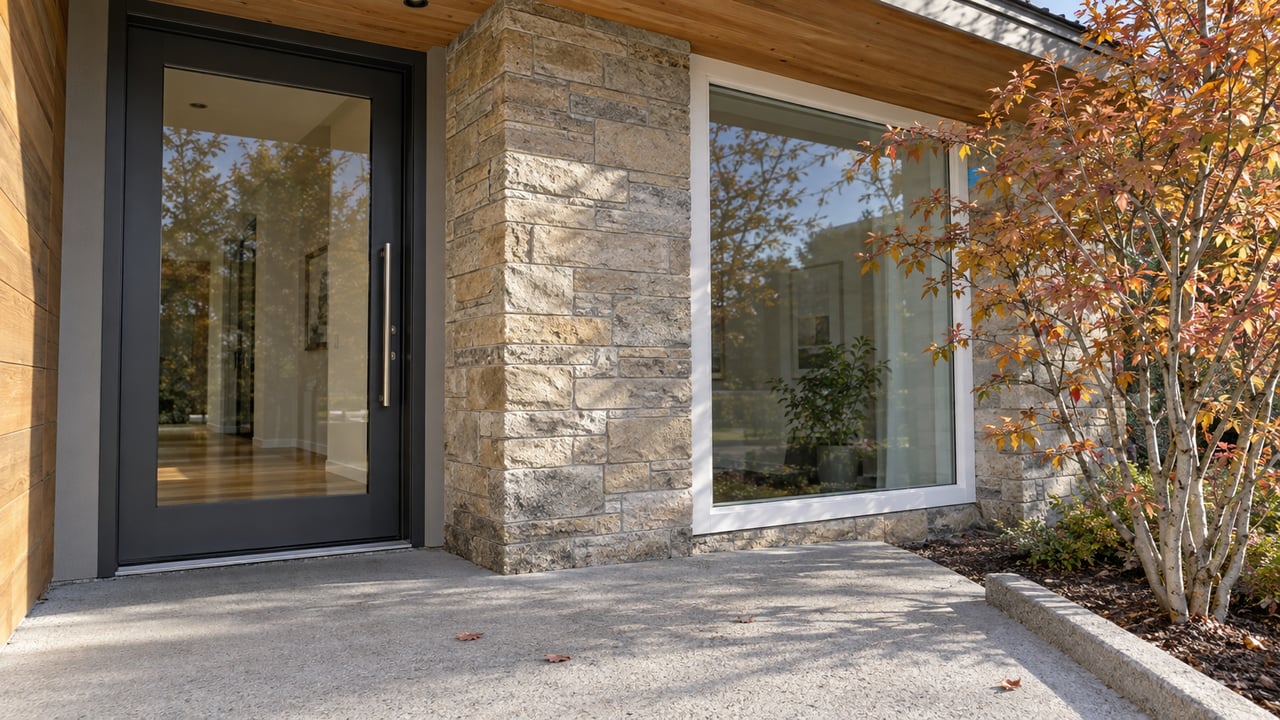
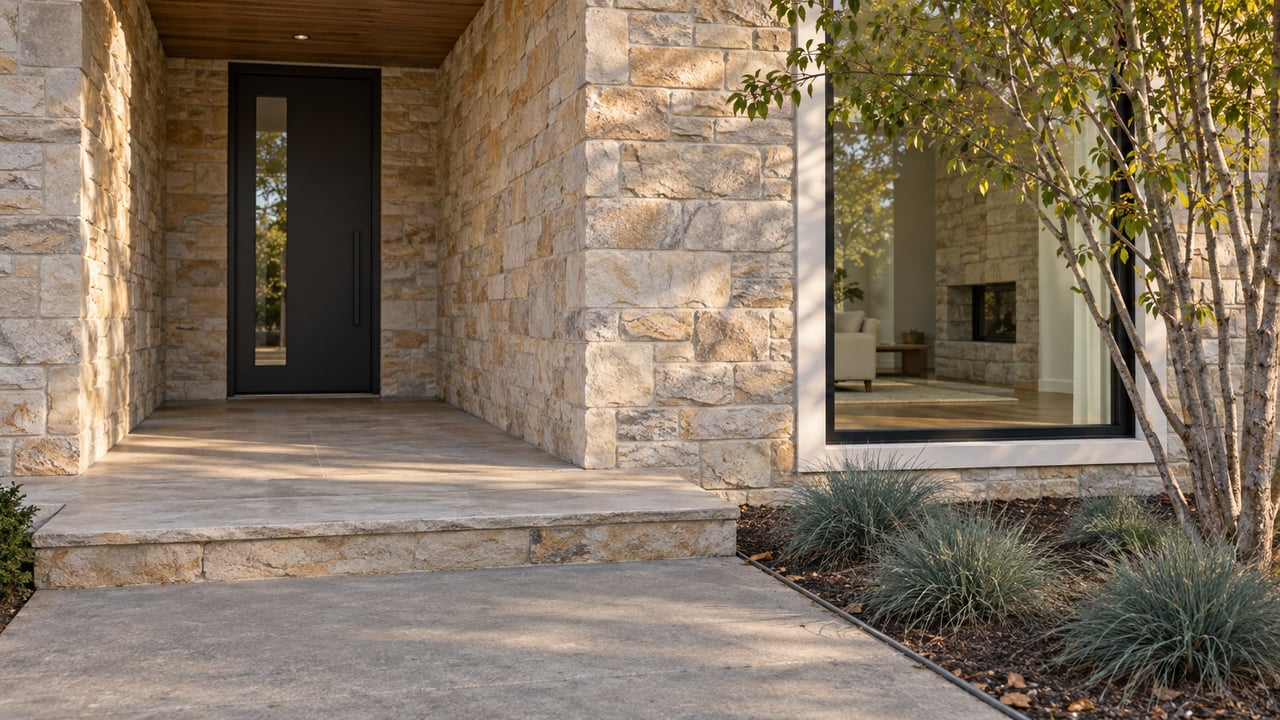
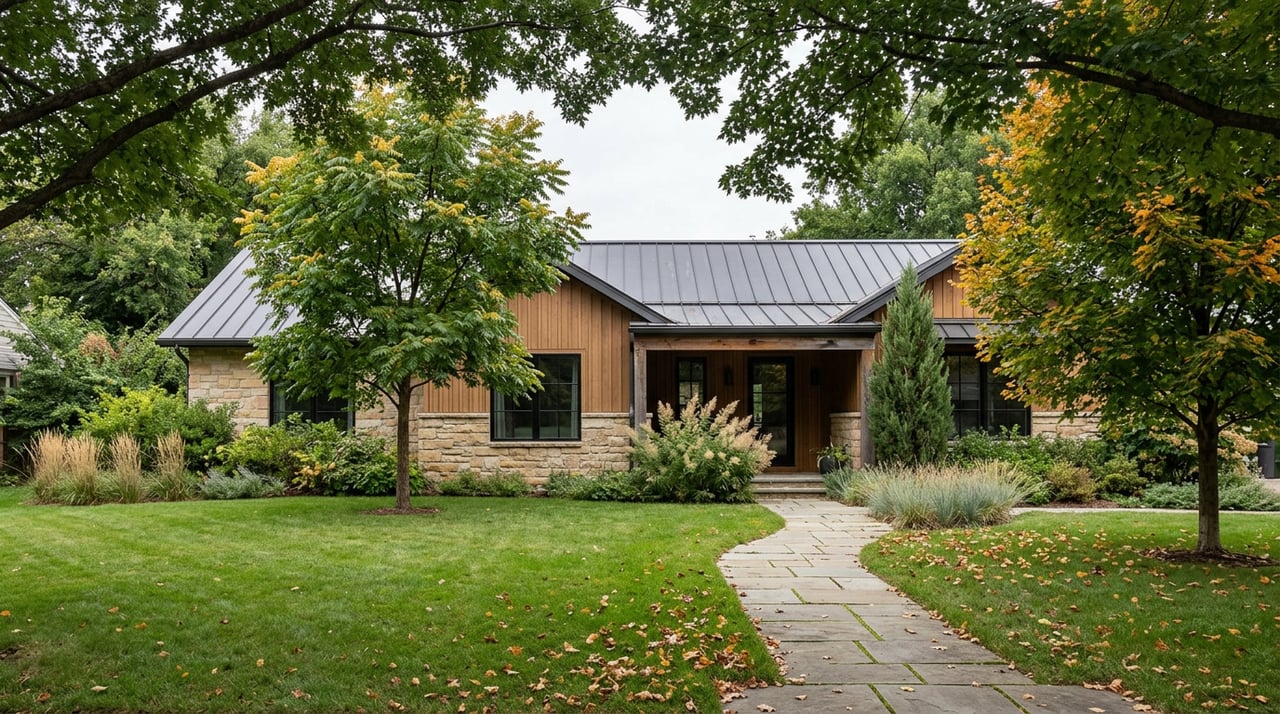
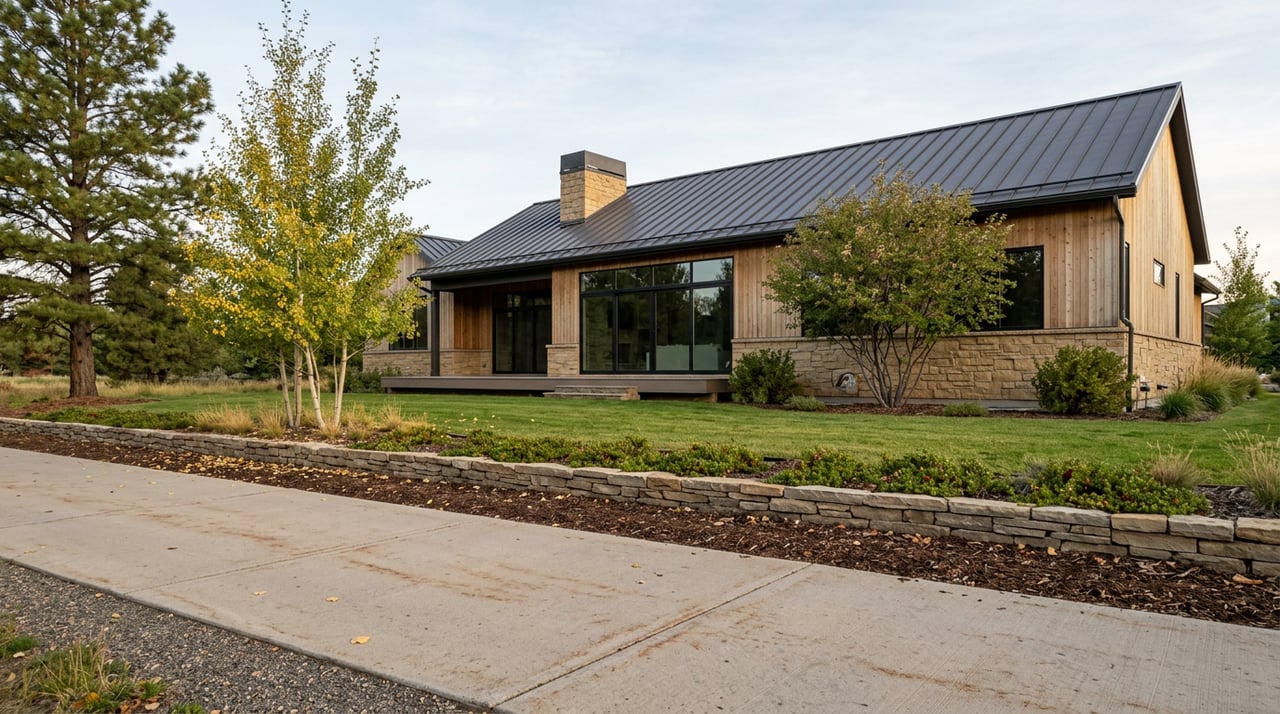
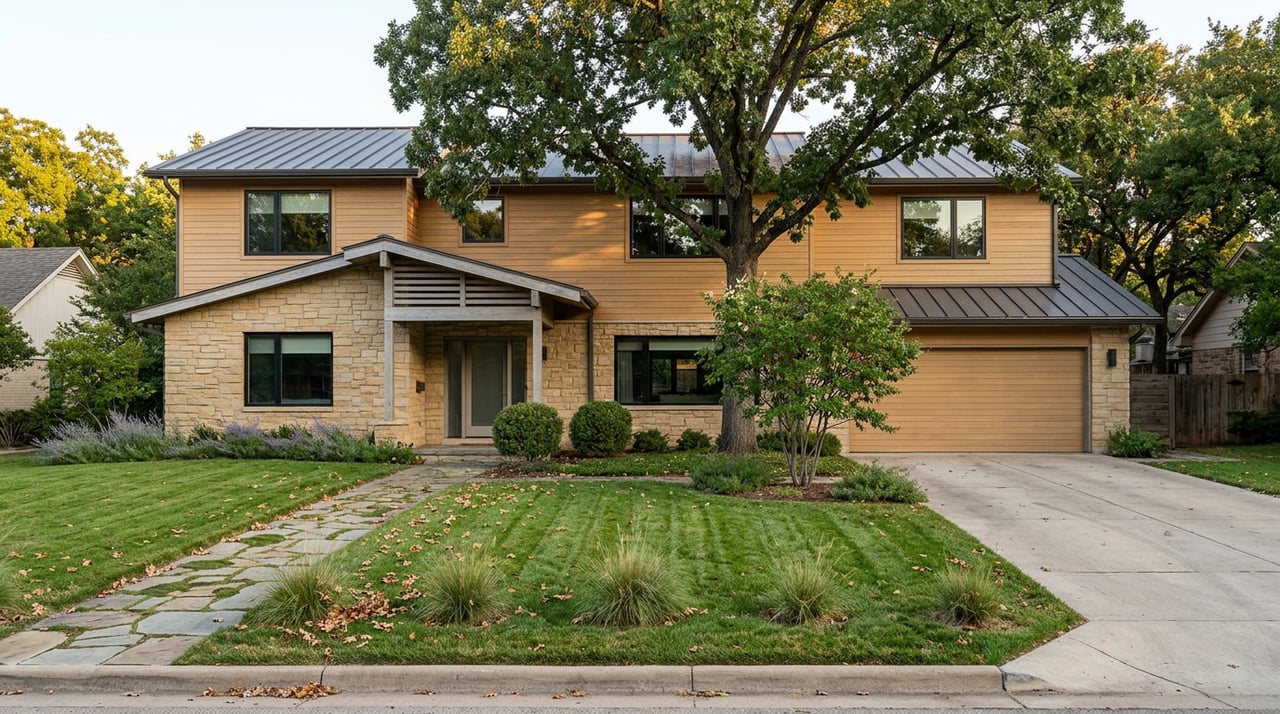
Set the mechanism aside for a moment and look at what the homes themselves look like, because the range is wider than the word "small" suggests. Recent listing data for the subdivision has put single-family homes anywhere from roughly 1,700 square feet up to more than 5,500, with prices spanning from the high $500,000s to just under $1.9 million. Separate brokerage descriptions of the area lean toward a tighter, more typical band of 2,200 to 3,000 square feet on custom-built lots, which lines up with a neighborhood built out gradually rather than by a single developer working from one floor plan.
That spread matters for the same reason the generational-turnover point does. A wide size and price range inside a small, low-turnover subdivision usually signals exactly what's happening here: original construction from different building eras, sitting on similarly sized parcels, aging at different rates depending on when each owner last renovated. It is not the signature of a master-planned community where every comp looks like the next.
What This Means If Orange Orchard Is on Your Shortlist
If you're comparing Orange Orchard against a newer-construction neighborhood elsewhere in Boulder, the citywide cooling data is close to irrelevant to your timing decision. The more useful question isn't "is this a buyer's market right now," it's "what would actually have to happen for this specific address to list." In a neighborhood driven by generational turnover, that answer is often a life event on the seller's side, not a rate cut or a shift in local sentiment.
That changes how a buyer should approach the wait. Watching days-on-market figures for Boulder overall won't tell you anything useful about when the next Orange Orchard listing appears. Watching for the listing itself, and being ready to move on it with financing already arranged, matters more here than in a neighborhood where new inventory arrives every month. It also means a wider net on square footage and price is realistic. If you're anchored to a single number from a citywide median, you'll misjudge what's actually available inside this particular subdivision.
A Few Questions Worth Asking Before You Watch and Wait
Does a large lot automatically mean a home is a teardown candidate? No. Lot size is one input among several, including current zoning, setback requirements, and what a builder judges the remaining structure to be worth relative to rebuilding. A large lot simply widens who's likely to bid.
If turnover is generational, is there any way to anticipate when a home might list? Not with precision, and no reputable source claims otherwise. What you can do is stay in regular contact with someone tracking the subdivision closely enough to hear about a listing before it's widely syndicated, since the gap between "on the market" and "under contract" can be short in a neighborhood this tightly held.
Does low turnover mean I'll always pay a premium? Not necessarily. It means the comparison set is thinner and less standardized than in a newer development, so pricing conversations lean more heavily on the specific home and lot than on a clean neighborhood-wide median. That cuts both ways depending on condition and what kind of buyer you're up against.
Boulder's 2026 slowdown is real, and for most of the city it's a genuine shift toward more negotiating room. Orange Orchard was never playing the same game. If you want a clearer read on what's actually available there right now, or how its pricing compares to other Front Range neighborhoods on your list, reach out to Maureen McCarthy and get your instant home valuation started before you build a strategy around a citywide number that doesn't apply here.