Are you looking at North Boulder homes where views, privacy, and custom details push prices above typical limits? You are not alone, and you may need a jumbo loan to make your move. Understanding limits, rates, and approvals can help you shop with confidence and write stronger offers. In this guide, you will learn how jumbo loans work in Boulder County, what lenders look for, how appraisals play out in luxury neighborhoods like Kalmia Estates, and the steps to get approved. Let’s dive in.
What counts as a jumbo loan in Boulder
A loan is considered jumbo when it exceeds the FHFA’s conforming loan limit for your county and year. For 2024, the national baseline conforming limit is $766,550 for a one‑unit home. There is also a high‑cost ceiling of $1,149,825 for certain counties.
Whether your Boulder County loan is jumbo depends on the county’s limit for the year you buy. If your loan amount is above the applicable county limit, it falls into jumbo territory. Because limits adjust annually, confirm the current Boulder County limit with your lender before you start touring homes.
Many North Boulder properties, including Kalmia Estates, frequently exceed baseline conforming thresholds. If you are shopping at those price points, plan for jumbo financing early so you can move quickly when the right home hits the market.
Jumbo vs. conforming at a glance
- Who buys the loan: Conforming loans are eligible for Fannie Mae or Freddie Mac. Jumbo loans are held by lenders or sold to private investors, which leads to different rules and pricing.
- Rates and pricing: Jumbo rates are sometimes slightly higher than conforming, but spreads change. In some markets, jumbo rates can be comparable or even better depending on your profile.
- Credit and down payment: Strong credit is rewarded. Many jumbo programs prefer 720+ scores for best pricing and often expect at least 20 percent down, though some lenders will allow higher loan‑to‑value for very strong files.
- Debt‑to‑income and reserves: DTI is usually capped near 43 to 45 percent. Expect larger cash reserves, commonly 6 to 12 months of principal, interest, taxes, and insurance.
- Documentation: Jumbo underwriting is more detailed, with additional verification of income and assets.
- Appraisal: Unique or luxury properties may require an experienced appraiser, more narrative analysis, and sometimes a second appraisal.
Credit scores, down payments, and reserves
For the best jumbo pricing, lenders typically look for credit scores of 720 or higher. Some programs will consider scores in the 700s, and there are options down to the mid‑600s with higher rates and more scrutiny.
Many jumbo buyers put 20 percent down. Some lenders may offer higher loan‑to‑value options up to 80 to 90 percent for well‑qualified borrowers. Higher loan amounts or complex files often come with tighter limits and larger reserve requirements.
Plan for reserves. It is common to see 6 to 12 months of PITI required, and very large loans or investment properties may require more. Lenders will verify the source of funds and may discount certain retirement assets when counting reserves.
How jumbo rates really work
Jumbo rates do not move in lockstep with conforming rates. Because jumbo loans are funded by different investors, your rate depends on your lender’s programs, your credit profile, loan‑to‑value, and the property type. Shopping matters.
You can choose between fixed‑rate loans and adjustable‑rate mortgages. Adjustable rates can offer a lower initial payment but come with reset risk later. Ask your lender to show total cost comparisons so you can see how each option performs over time.
Appraisals in North Boulder luxury neighborhoods
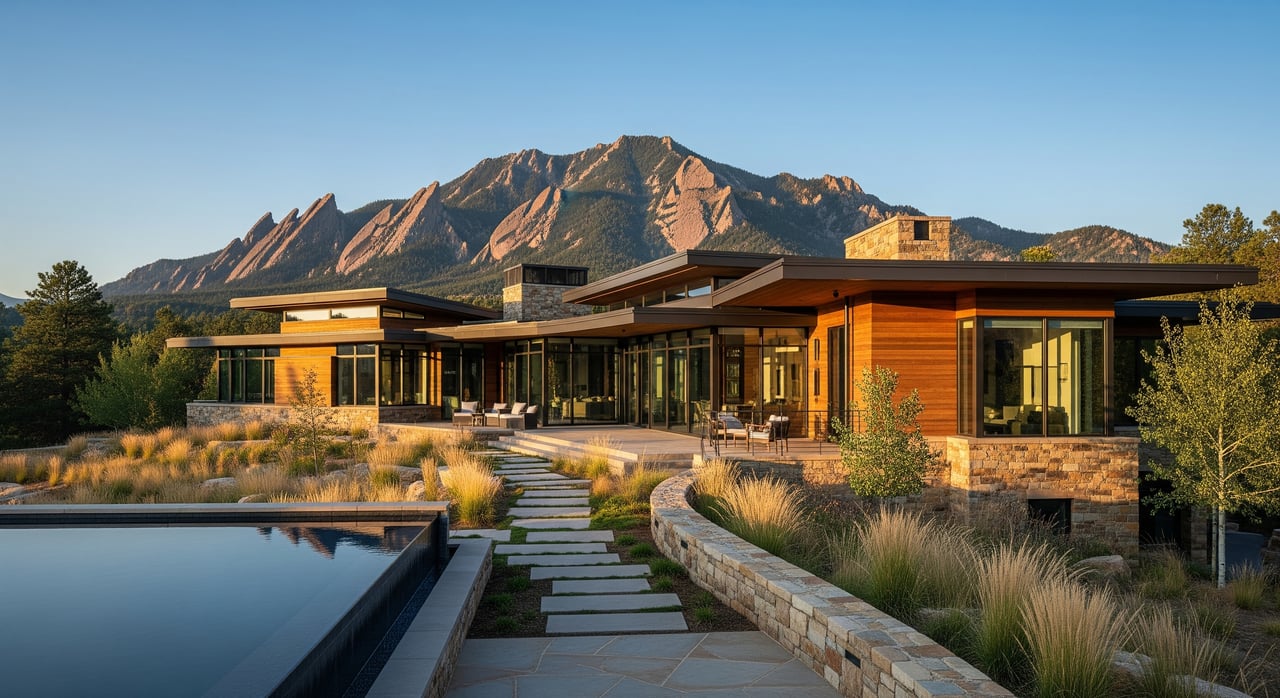
Appraisals on high‑end homes are more nuanced. Features like Flatirons views, custom architecture, large lots, and long driveways can be hard to compare. In areas like Kalmia Estates, comps may be limited, which can extend timelines and require more qualitative adjustments.
Be prepared for appraisal gaps. If the appraised value comes in below your contract price, you will need to add cash, renegotiate, or cancel based on your contract contingencies. Some buyers include appraisal gap language to strengthen offers, but you should discuss the risks with your lender and agent before using it.
In rare cases, a lender may require a second appraisal or a review appraisal for very unique properties.
Who offers jumbo loans
- National banks with portfolio jumbo programs
- Credit unions with competitive pricing and flexible overlays
- Mortgage banks that sell to private investors
- Boutique or portfolio lenders that keep loans on their books
- Mortgage brokers who can shop multiple investors on your behalf
If your income involves complex compensation, K‑1s, or business ownership, portfolio lenders and non‑QM programs may provide workable options, often with higher reserves and rates.
Timelines and preapproval expectations
Jumbo files usually take longer than conforming. Plan for 30 to 45 days for a straightforward purchase. Expect 45 to 60 days or more if your income is complex or if appraisal timing becomes a bottleneck.
A full preapproval is highly recommended before you write offers. Many lenders issue preapprovals that last 60 to 90 days. Keep your documents current so your letter stays valid while you shop.
Step‑by‑step to a smooth jumbo approval
- Talk to a jumbo‑experienced Boulder lender early. Ask about today’s county limit and request a full document review, not just a quick prequal.
- Compare two or three lenders. Pricing and rules vary across banks, credit unions, and portfolio lenders.
- Collect and organize documents. Have income and asset statements ready, including a clear paper trail for large deposits.
- Model your total payment. Include taxes, insurance, and any HOA fees. Check how these affect your debt‑to‑income ratio and reserve requirements.
- Plan for the appraisal. Build in extra time, especially for unique properties with limited comps, and discuss contingency strategies.
- Keep finances steady. Avoid new debt, large unexplained transfers, or job changes during underwriting.
Your jumbo documentation checklist
- Government ID for all borrowers
- Two most recent years of federal tax returns, including business returns and schedules if applicable
- Recent pay stubs for the last 30 days and W‑2s for the last two years
- If self‑employed: year‑to‑date profit and loss and balance sheet, business tax returns, and any K‑1s
- Two to twelve months of bank statements showing funds for down payment and reserves
- Brokerage and retirement account statements to document liquid and vested assets
- Documentation for large deposits and gifts, including lender gift forms when required
- Signed purchase contract, HOA documents, property tax information, and any leases if rental income is used
- Explanation letters for credit inquiries, employment gaps, or prior credit events
Keep statements unmarked and provide full pages. If you move funds between accounts, retain the before and after statements to document the trail.
Real‑world Boulder scenarios
- Example A: Purchase price $950,000. If Boulder County follows the baseline limit of $766,550 for the year, this would likely require jumbo financing. Many borrowers at this level plan for 20 percent down and solid reserves.
- Example B: Purchase price $1.25 million. This is likely jumbo in most cases and may benefit from a portfolio lender, especially if income is complex. Expect tighter underwriting and larger reserve expectations.
- Example C: Purchase price $2 million or more. These loans sit firmly in jumbo territory. Lenders may ask for 25 to 30 percent down or very strong compensating factors such as exceptional credit and substantial verifiable assets.
Plan for total housing cost
Jumbo lenders look at your full housing picture, not just principal and interest. Property taxes, homeowner’s insurance, and HOA dues all count toward qualifying. In neighborhoods with higher HOA fees or special districts, these costs can affect your debt‑to‑income ratio and reserve requirements. Review HOA financials during due diligence and factor dues into your budget from the start.
Local guidance that reduces surprises
Buying in North Boulder requires a plan shaped by neighborhood realities, from appraisal timing to reserve expectations. You can strengthen your offer by pairing a complete preapproval with well‑organized documents and clear strategies for potential appraisal gaps.
If you are exploring jumbo financing for a Boulder purchase, connect with a local advisor who knows the micro‑markets and the lending landscape. Reach out to Maureen McCarthy for trusted guidance and introductions to jumbo‑savvy lenders.
FAQs
What is the 2024 jumbo loan threshold for Boulder County?
- Loans above the FHFA conforming limit for the county and year are jumbo. The 2024 national baseline is $766,550 and the high‑cost ceiling is $1,149,825. Verify Boulder County’s current limit with your lender.
Are jumbo mortgage rates always higher than conforming?
- Not always. Jumbo spreads vary by market, lender, and borrower profile. With strong credit and a solid down payment, jumbo rates can be comparable to conforming at times.
How much do I need for a jumbo down payment in Boulder?
- Many buyers plan for 20 percent down. Some lenders allow higher loan‑to‑value for very strong borrowers, often with stricter reserves or pricing.
How long does a jumbo preapproval last when home shopping?
- Most lenders issue preapprovals that are valid for 60 to 90 days, provided your financials remain stable and documents are updated as needed.
What happens if my Boulder appraisal comes in below the purchase price?
- You can bring additional cash, renegotiate the price, or use an appraisal contingency to cancel per your contract. Discuss appraisal gap strategies with your lender and agent before you write offers.