Are you ready for more space but not ready to give up your North Boulder routine? If you already live in or near Northfield Village, that feeling makes sense. You may want a better layout, another bedroom, or a little more privacy without leaving the area you know. This guide will walk you through what “moving up” can look like in Northfield Village, how the numbers may change, and how to plan your next step with confidence. Let’s dive in.
What moving up looks like here
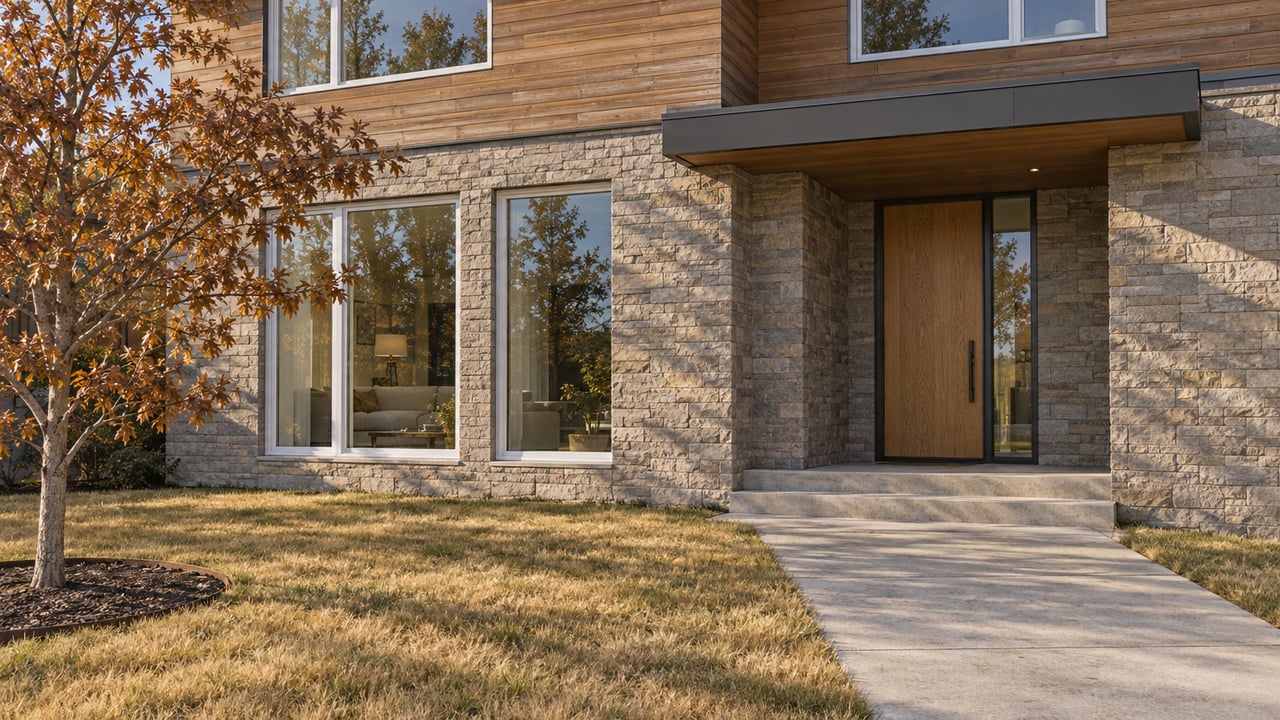
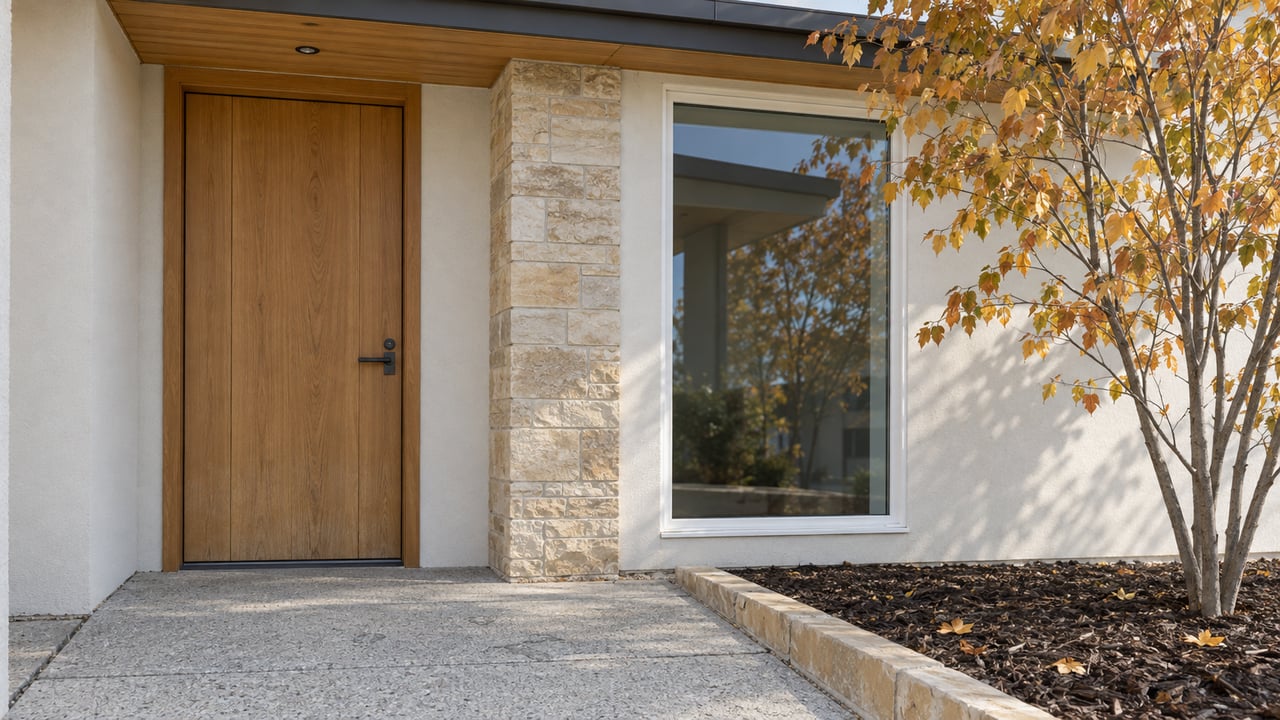
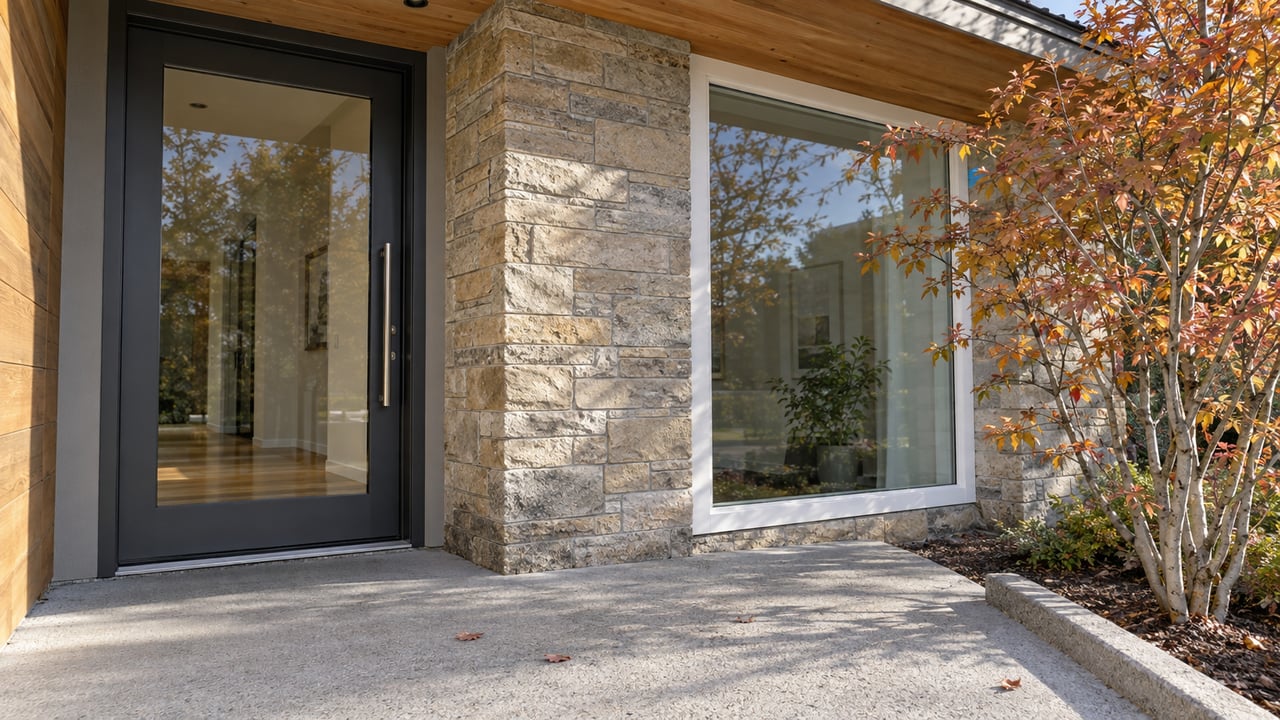
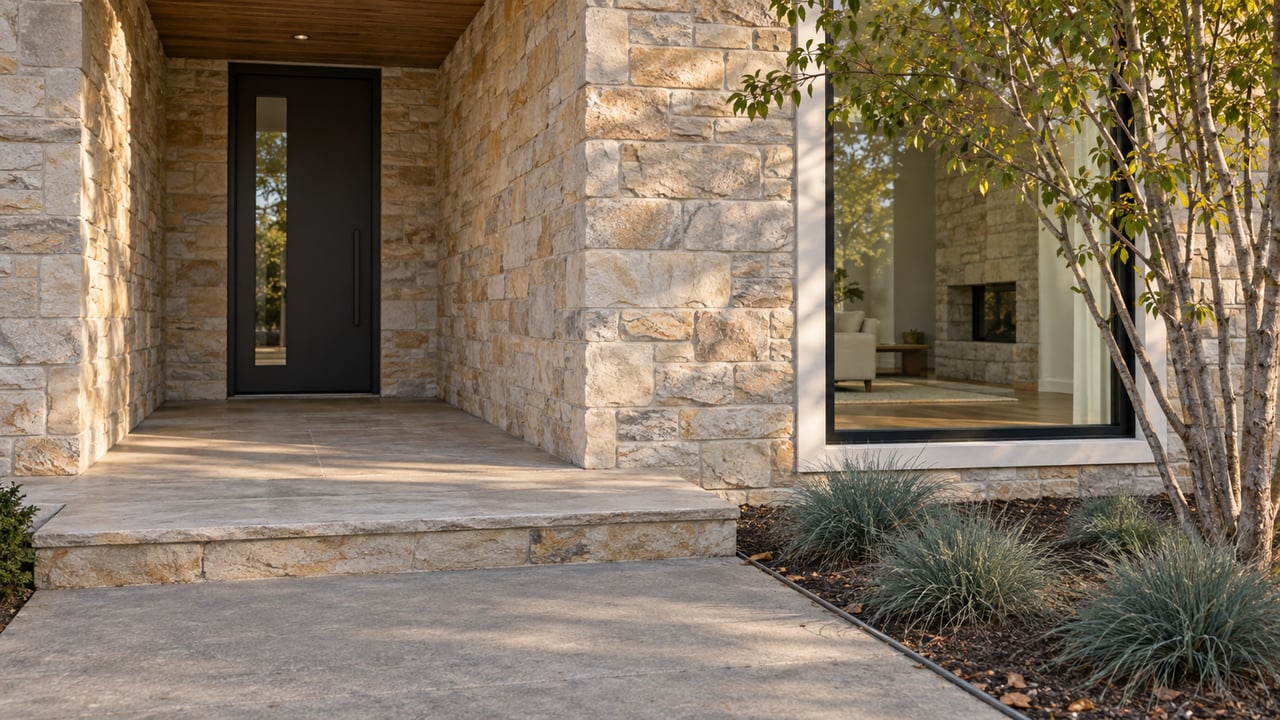
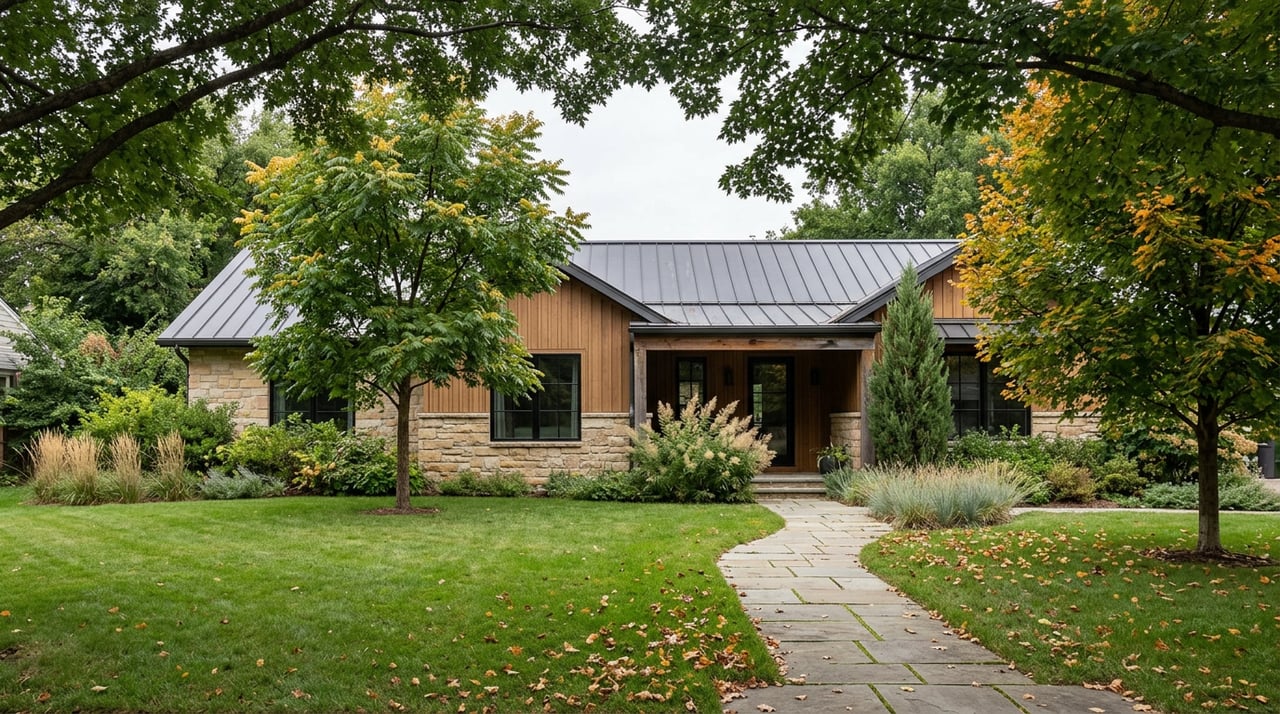
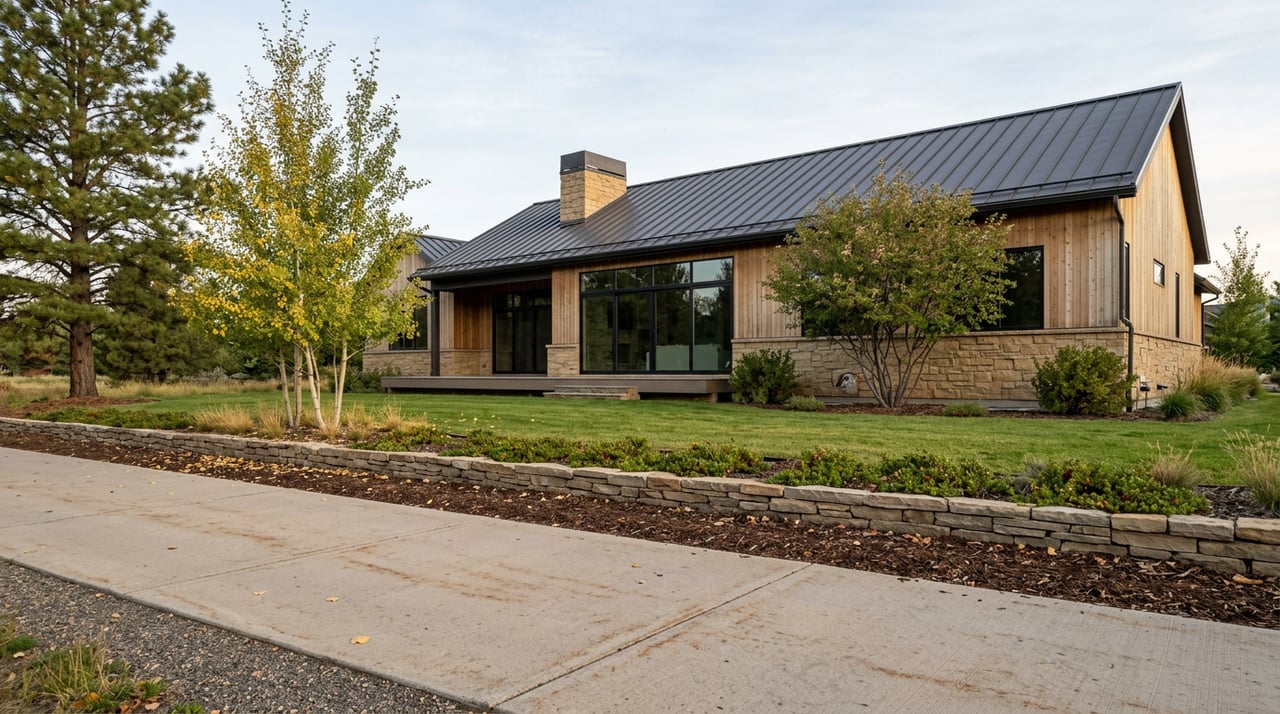
In Northfield Village, moving up does not always mean leaving for a completely different part of Boulder. The neighborhood includes both attached homes and larger detached homes, so your next move may be about property type, square footage, lot size, or monthly costs.
For some homeowners, the move-up path is from one attached home to a larger attached home. Current examples include a 3-bedroom, 4-bath townhouse with 2,087 square feet at $874,600 and a $594 monthly HOA, along with a 3-bedroom, 4-bath condominium with 2,044 square feet at $869,000 and a $542 monthly HOA.
For others, moving up means stepping from an attached home into a detached one. Recent detached sales in Northfield Village include a 5-bedroom, 4-bath home with 3,628 square feet that sold for $1.2 million on a 4,371-square-foot lot, and a 3-bedroom, 4-bath home with 3,134 square feet that sold for $1.36 million on a 5,359-square-foot lot.
That range matters because it shows how much variety exists within the same general area. You may be able to stay close to your familiar streets and daily routines while still making a meaningful lifestyle upgrade.
Compare space and monthly costs
A move-up decision is about more than price alone. In Northfield Village, the difference between attached and detached homes can affect your monthly budget, maintenance needs, and day-to-day living.
Attached homes in the neighborhood often come with higher monthly HOA dues. In the examples above, HOA costs were more than $500 per month, while one detached sale showed a much smaller annual HOA of $492.
That does not automatically make one option better than the other. It simply means you should compare the full carrying cost of each choice, including mortgage payment, property taxes, insurance, HOA dues, and expected upkeep.
Attached homes may offer easier upkeep
If you want more room but still prefer a simpler maintenance routine, a larger townhome or condo may be the right next step. You could gain an extra bath, more finished square footage, or a more functional floor plan while keeping exterior maintenance more limited.
Detached homes may offer more privacy
If your goal is more separation, more storage, or more outdoor space, detached homes can deliver that next level. The tradeoff is that you may also take on more yard responsibility and a higher overall purchase price.
What the 80304 market means for your plan
Timing matters when you are trying to sell one home and buy another in the same area. In 80304, the available inventory and pace of the market can affect how flexible you can be.
A March 2026 snapshot showed 163 homes for sale in 80304, including 46 new listings. The median sale price was $1,316,665, the median list price was $1,751,667, and homes were taking about 63 days to go pending.
At the same time, separate search snapshots showed 154 single-family homes and 26 townhomes for sale in the zip code. That suggests a larger detached-home pool than attached-home pool at that moment, but it does not mean the exact home you want will appear right when you need it.
Redfin described 80304 as somewhat competitive, with homes receiving 2 offers on average and selling in about 99.5 days. Boulder County’s March 2026 market report also showed 2.5 months of supply, which points to a market that is still relatively constrained even if it feels less intense than past peak periods.
Why readiness matters in Northfield Village
Northfield Village does not always offer a perfect one-for-one progression from your current home to your ideal next home. One current attached listing example had been on the market for 72 days at $874,600, while recent detached sales sat in a much higher price tier.
That gap is why your strategy matters so much. If you know your budget, your likely sale price, and your timing options in advance, you can act faster when the right property comes up.
Sell first or buy first?
This is one of the biggest questions for move-up buyers. The right answer depends on your equity, your cash position, your comfort with risk, and how flexible your timeline can be.
If you sell first, you usually gain clarity. You know how much equity you have available, and you reduce the risk of carrying two homes at once.
If you buy first, you may have a better chance of landing the right replacement property when inventory is limited. The challenge is bridging the gap before your current home closes.
Option 1: Home sale contingency
A home sale contingency can give you a set window to sell your current home before moving forward on the purchase. This can reduce risk for you as a buyer, but sellers may see it as a less certain offer because your purchase depends on another sale happening first.
In a market like 80304, that means a home sale contingency may be possible in some situations, but it needs to be used thoughtfully. The cleaner and more prepared your current-home sale plan is, the stronger your overall offer may feel.
Option 2: Mortgage contingency
A mortgage contingency addresses whether your earnest money deposit is refunded if financing falls through. This is a different issue from a home sale contingency, but both can shape how competitive and protected your offer is.
If you are moving up, it is important to understand which protections matter most to you and how they may affect your negotiating position.
Using equity to bridge the gap
If you want to buy before your current home closes, your existing equity may help. Common tools include a HELOC, a home equity loan, or a cash-out refinance.
A HELOC allows you to borrow against available equity on an ongoing basis up to an approved limit. A home equity loan provides a lump sum instead.
A cash-out refinance can also convert equity into cash, but it increases your loan balance and can raise your total interest cost over time. That may make it useful in some cases, but it is not just a timing tool. It can reshape your long-term financing picture.
Bridge loans are short-term by design
A bridge loan is another option for buyers who need temporary purchase financing while planning to sell their current home. Regulation Z identifies a temporary bridge loan as one with a term of 12 months or less when the borrower plans to sell the current dwelling within that timeframe.
That definition is useful because it highlights the purpose of bridge financing. It is generally designed to solve a short-term timing problem, not serve as a long-term affordability strategy.
Planning for a rent-back
Sometimes the smoothest move-up plan is not about financing. It is about occupancy timing.
If you sell your current home but need a little more time before moving out, a rent-back can help. In that setup, you stay in the home for an agreed period after closing and pay the buyer for that temporary stay.
This can be helpful if your replacement purchase closes shortly after your sale. It is important to know, though, that a rent-back credit is not treated as eligible funds for closing costs, down payment, or reserves when qualifying a borrower.
In simple terms, a rent-back may solve a scheduling issue, but it does not replace actual cash needed for your next purchase.
A smart move-up checklist
Before you start touring homes, it helps to get organized. A few clear numbers and decisions can make the entire process less stressful.
- Estimate your current home’s likely sale price
- Review your available equity
- Compare attached and detached monthly carrying costs
- Decide whether you prefer to sell first or buy first
- Talk with a lender about HELOC, home equity loan, cash-out refinance, or bridge loan options
- Identify your must-haves versus nice-to-haves in the next home
- Build a backup plan for timing, including a possible rent-back
When you do this work early, you put yourself in a stronger position. You can move quickly without feeling rushed.
Why local guidance matters
Moving up within Northfield Village is not the same as making a generic move across town. The choices here can be very specific, especially when the gap between attached and detached pricing is significant and the right inventory does not always line up neatly.
You need a plan that looks at your current home value, your likely net proceeds, your comfort with monthly costs, and your timing options all at once. That is where neighborhood-level knowledge can make a real difference.
If you are thinking about moving up in Northfield Village without leaving 80304, a local strategy can help you evaluate your options with less guesswork and more confidence. When you are ready to talk through your next step, connect with Maureen McCarthy for thoughtful, Boulder-focused guidance.
FAQs
Can you move up within Northfield Village without buying a detached home?
- Yes. In Northfield Village, moving up can mean buying a larger attached home with more square footage, more bathrooms, or a better floor plan while staying in the same general area.
Is a home sale contingency realistic for a move-up buyer in 80304?
- It can be, but sellers may view it as a riskier offer because your purchase depends on your current home selling first. Your overall preparation and pricing strategy can affect how workable that option is.
How do HOA costs change when moving up in Northfield Village?
- Attached homes in the neighborhood may carry monthly HOA dues above $500, while a detached sale example showed a much smaller annual HOA. You should compare total monthly carrying costs, not just purchase price.
Can you use equity from your current home to buy your next Boulder home?
- In some cases, yes. Common options include a HELOC, a home equity loan, a cash-out refinance, or a short-term bridge loan, depending on your finances and timing.
What does a rent-back mean when selling and buying in Boulder?
- A rent-back allows you to stay in your sold home for a set time after closing, which can help with move timing. It can solve an occupancy issue, but it does not count as funds for down payment, closing costs, or reserves when qualifying for a loan.