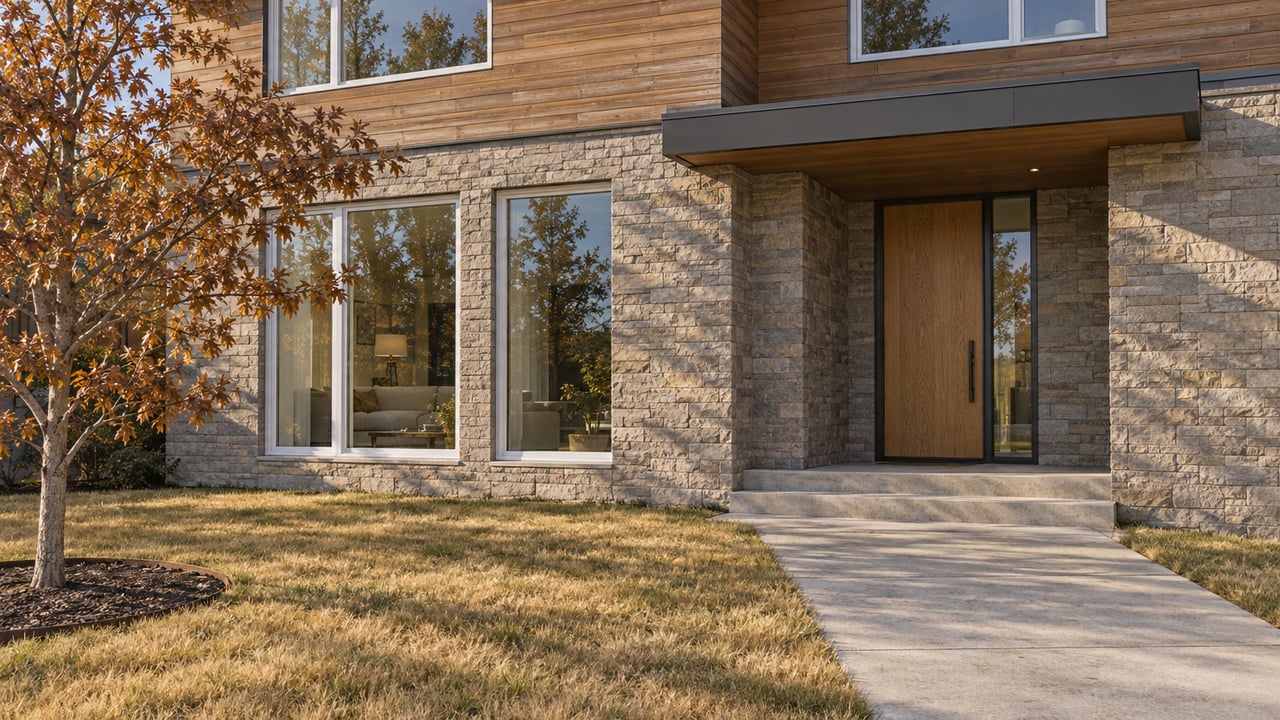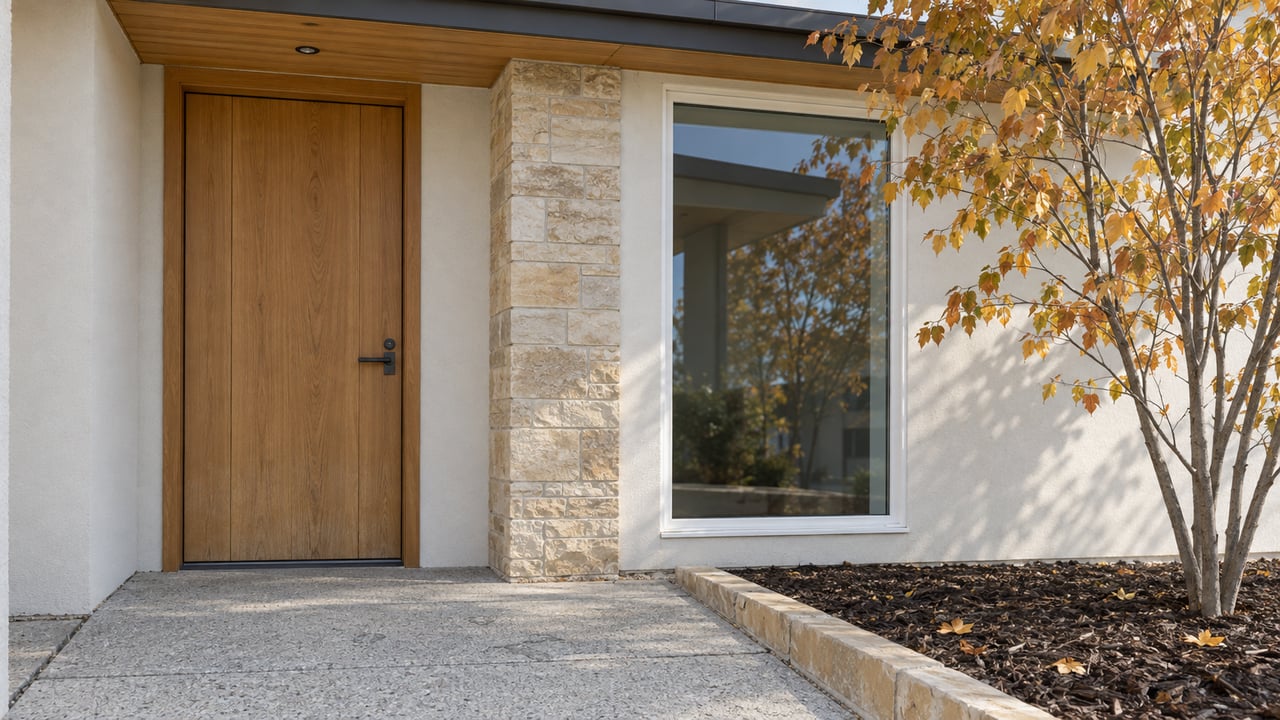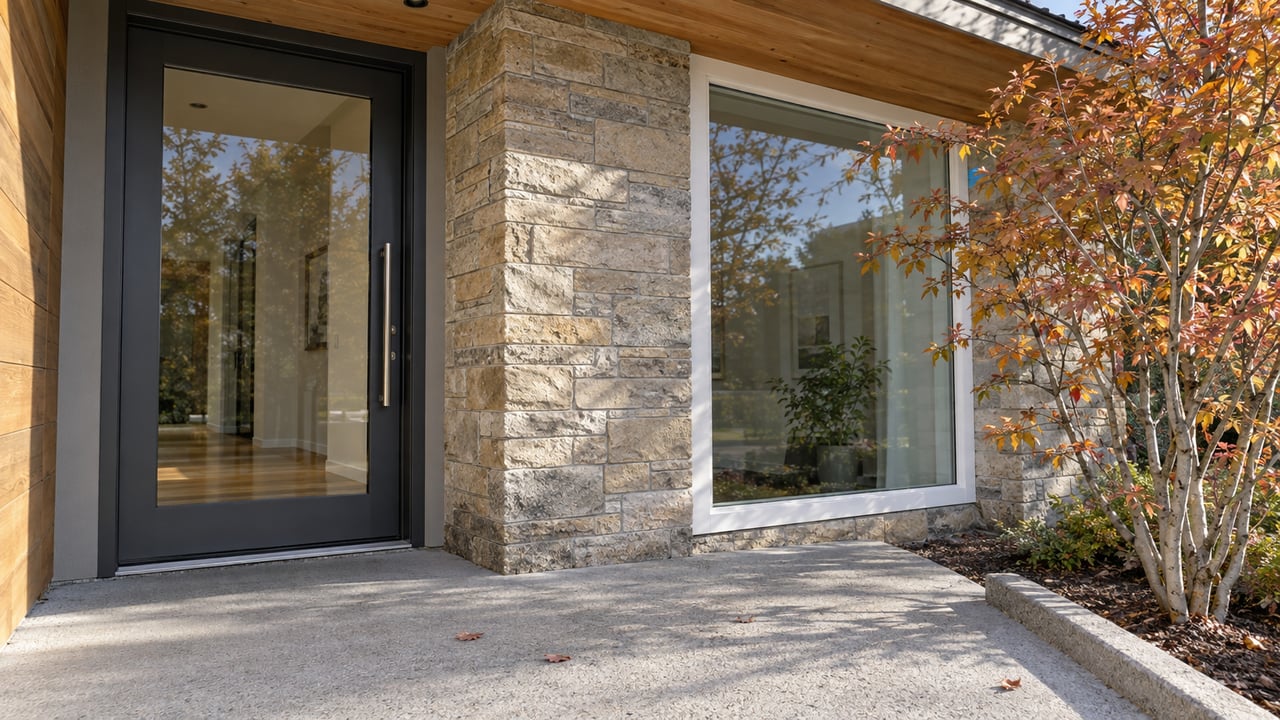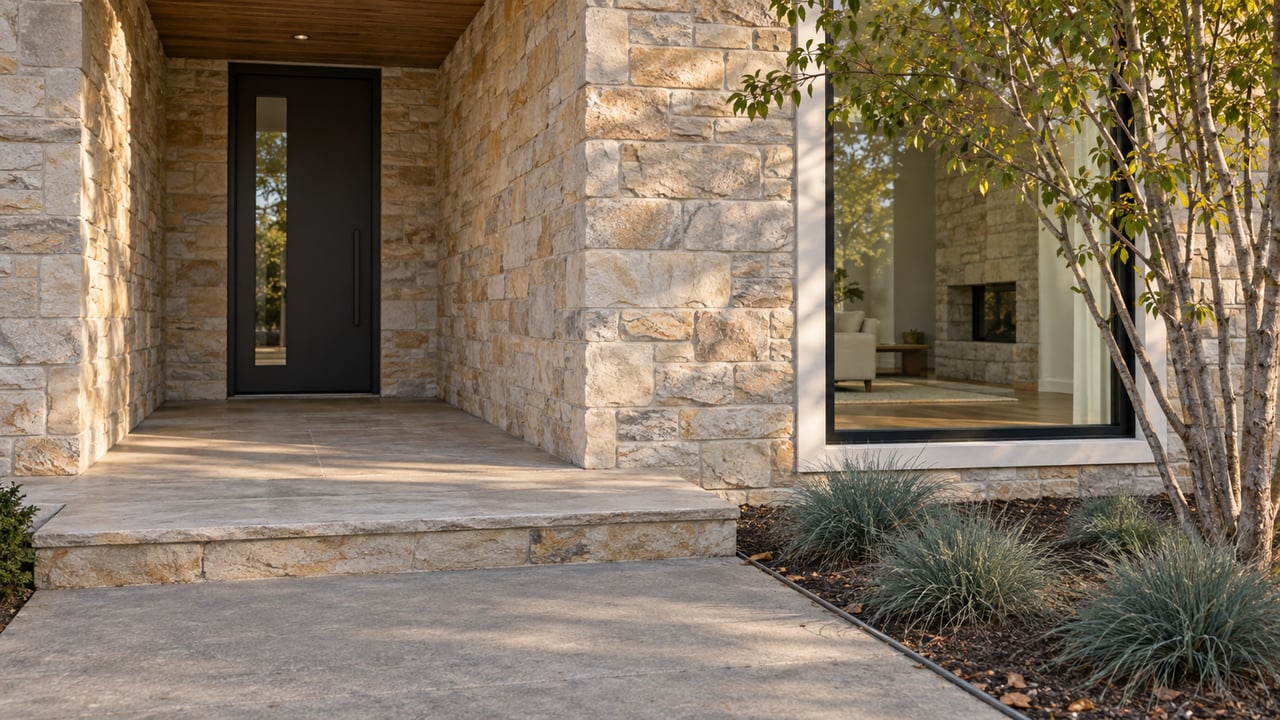
If you love Boulder but feel squeezed by your current space, Orange Orchard may already be on your radar. This north Boulder neighborhood stands out for larger lots, detached homes, and a lower-density feel that can be hard to find in 80301. If you are trying to decide whether it is the right move-up choice for your next chapter, this guide will help you weigh the tradeoffs clearly. Let’s dive in.
Why Orange Orchard stands out
Orange Orchard reads differently from many other 80301 options because the value story is not just about square footage. Based on current visible listings, buyers are paying for more land, a detached-home setting, and a sense of space that is less common in the broader zip code.
Right now, inventory appears very limited. Realtor.com shows just two homes for sale in Orange Orchard, both in the mid-$1 million range, plus one recent sale at $1,150,000. That alone tells you something important: when homes do become available here, they sit in a price tier that is well above the 80301 median listing price.
Orange Orchard prices in context
In April 2026, Realtor.com reported a median listing price of $550,000 across 80301, with 189 homes for sale, a median 46 days on market, and a 99 percent sale-to-list ratio. Against that backdrop, Orange Orchard clearly falls into an upper-mid to upper-tier segment of the zip code.
The current Orange Orchard listings are priced at $1,395,000 and $1,440,000. Those asking prices work out to about $418 to $467 per square foot, which is close to 80301’s median listing price per square foot of $419. That suggests buyers are not necessarily paying a huge premium for interior space alone. Instead, the premium appears tied more to lot size, setting, and detached-home product.
How it compares nearby
If you are deciding where to stretch your budget, it helps to see Orange Orchard on the local price ladder. Nearby 80301 neighborhoods span a wide range, from Palo Park at $404,500 and Glenwood Grove – North Iris at $362,000 to Whittier at $975,000, Old North Boulder at $2.1 million, and Mapleton Hill at $3.6 million.
That places Orange Orchard in an interesting middle ground. It is pricier than many north Boulder choices, but still well below some of the most expensive central Boulder neighborhoods. For many move-up buyers, that can make it feel like a more practical step than a leap.
What the homes are like
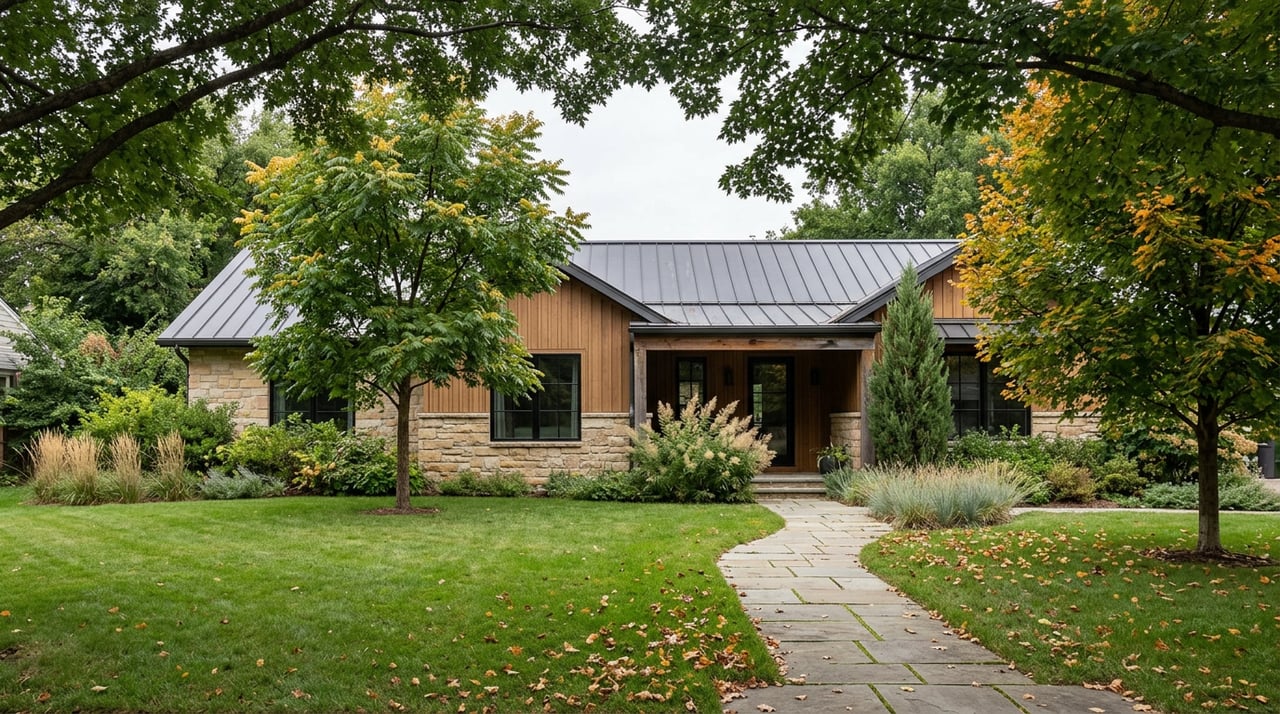
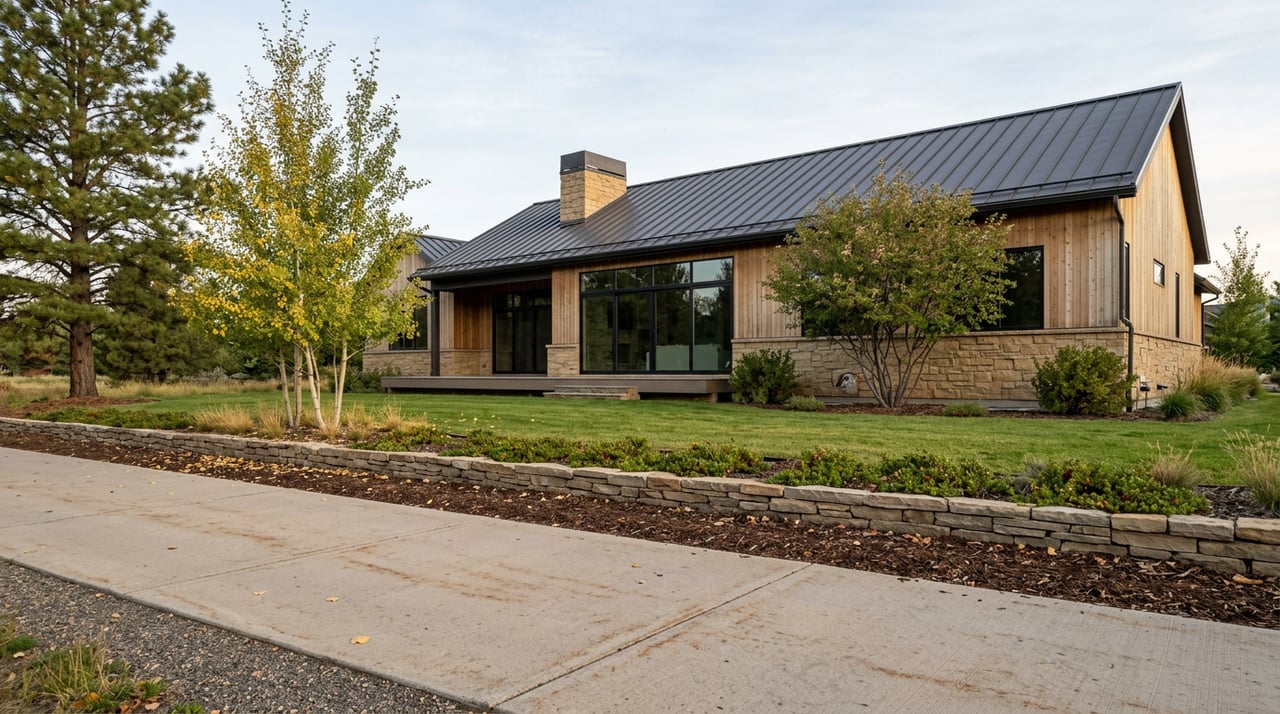
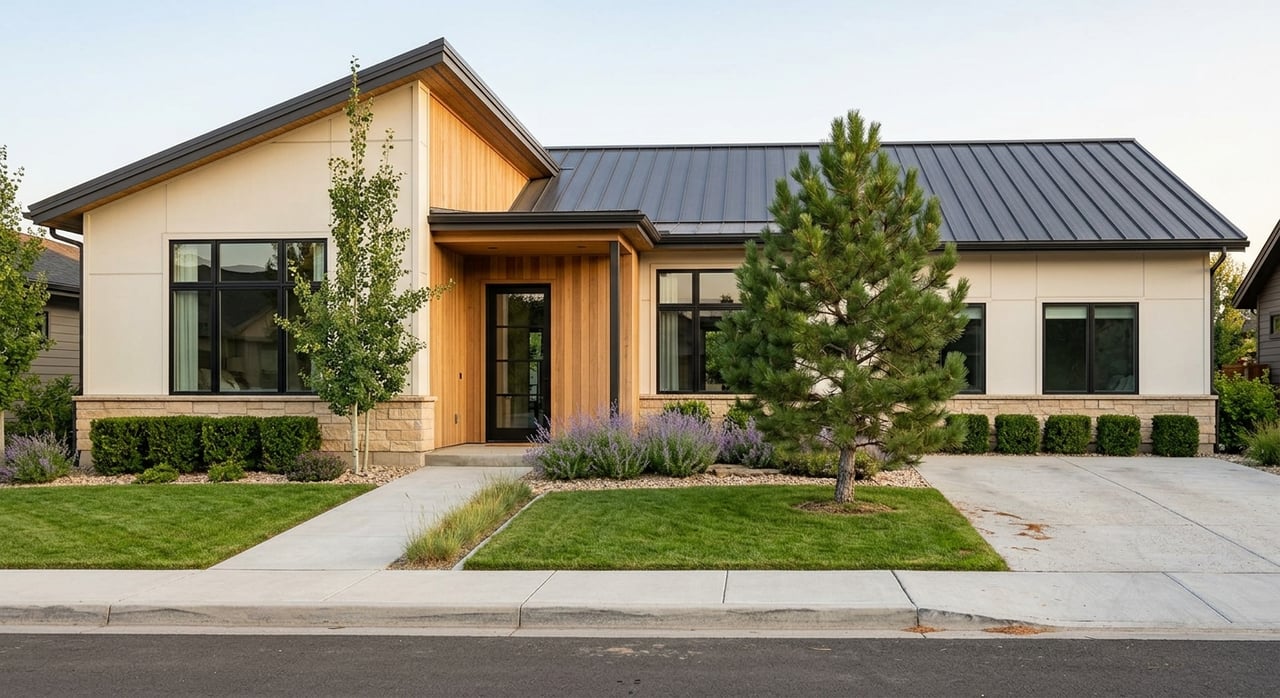
Orange Orchard appears to be defined by detached single-family homes, not attached housing or newer infill. Representative listings point to a late-1970s through late-1980s build era, including homes from 1977, 1978, 1985, and 1987, along with a larger contemporary Victorian-style property.
That means you are likely looking at established homes with more traditional lot patterns and mature landscaping. You may also find a mix of ranch and two-story layouts, which can matter if your needs include main-level living, guest space, or room for a home office.
Lot sizes are a big part of the appeal
One of Orange Orchard’s clearest move-up features is lot size. Sample properties cluster around roughly 0.32 to 0.7 acre, with many around 0.39 to 0.57 acre.
For buyers moving from a smaller Boulder property, that can be a major lifestyle change. More yard space can mean more room for gardening, pets, storage, entertaining, or simply more breathing room between homes.
Setting matters here
Listing remarks repeatedly mention mature landscaping, corner lots, mountain views, and outdoor space near a pond, trails, open space, a playground, and a picnic area. These details help explain why Orange Orchard feels appealing to buyers who want more than just another bedroom count.
This is a neighborhood where the outdoor setting appears to be part of the value equation. If your version of moving up includes more privacy, more land, and a more spacious feel, Orange Orchard checks those boxes better than many denser 80301 options.
Why Orange Orchard fits move-up buyers
Orange Orchard makes the most sense for buyers who want to stay in Boulder while gaining meaningful space. Based on the current visible homes, it appears especially well suited if you want four bedrooms, flexible work-from-home space, garage or storage capacity, or room for long-term use changes.
Some listings even mention room for future expansion and a possible pool. That matters because a move-up purchase is often about what the home can do for you now and later, not just on day one.
The density difference is real
Boulder County planning materials place Orange Orchard at about 2.1 dwelling units per acre. For comparison, Palo Park is listed at 5.9 dwelling units per acre.
That gap helps explain Orange Orchard’s lower-density character. If you are specifically looking for a neighborhood that feels less compact and more spread out, this is one of the clearest reasons it stands apart.
The tradeoffs to understand
Every move-up decision comes with tradeoffs, and Orange Orchard is no exception. The biggest ones appear to be price and HOA oversight.
You are likely paying materially more than you would in many other 80301 neighborhoods. In return, you get the potential benefits of a detached home, larger lot, and lower-density setting. For the right buyer, that can be a very fair exchange. But it is still important to go in with clear eyes.
HOA review is a real planning factor
Orange Orchard has active HOA governance, and that matters if you are thinking beyond the current floor plan. According to the HOA, externally visible permanent changes require Architectural Review Committee approval, including remodels or additions, new roofs, decks or patios, fencing, exterior paint changes, lighting, and driveways or walkways.
If you are considering a future addition, major exterior update, or other visible project, that review step should be part of your planning from the start. It does not mean improvement is off the table. It means the process may involve more review than in a neighborhood without that layer.
Is Orange Orchard the right fit for you?
Orange Orchard may be a strong fit if your top goal is more livable space without leaving Boulder. It offers a combination of detached homes, larger lots, and a lower-density feel that is hard to replicate at lower price points in 80301.
It may be less ideal if your priorities center on the lowest possible entry price, a low-maintenance attached home, or total freedom from HOA review. In those cases, other nearby neighborhoods may line up better with how you want to live and spend.
A simple way to think about it
If you are comparing Orange Orchard with other Boulder move-up options, ask yourself these questions:
- Do you want more land as much as more interior space?
- Do you prefer a detached-home setting over attached or denser housing?
- Are you comfortable shopping well above the 80301 median listing price?
- Would HOA design review be manageable for your long-term plans?
- Are you hoping to stay in Boulder rather than stretch into a pricier central neighborhood?
If you answer yes to most of those, Orange Orchard may deserve a serious look.
The move-up story in one sentence
Orange Orchard is best understood as a neighborhood where you trade a higher purchase price and HOA oversight for more land, a more spacious detached-home feel, and a lower-density north Boulder setting.
For many Boulder buyers, that is exactly what a smart move-up looks like. The key is making sure the neighborhood matches not just your budget, but also how you want to live over the next five to ten years.
If you want help comparing Orange Orchard with other north Boulder neighborhoods, pricing a move-up strategy, or preparing your current home for a strong sale, Maureen McCarthy can help you make a confident next move.
FAQs
What makes Orange Orchard a move-up neighborhood in Boulder?
- Orange Orchard stands out as a move-up option because current visible homes are detached single-family properties on larger lots, with pricing in the mid-$1 million range that sits well above the broader 80301 median listing price.
How do Orange Orchard home prices compare with 80301 overall?
- Current visible Orange Orchard listings are priced around $1.395 million to $1.44 million, while Realtor.com reported a median listing price of $550,000 for 80301 in April 2026.
What are lot sizes like in Orange Orchard, Boulder?
- Sample Orange Orchard properties generally range from about 0.32 to 0.7 acre, with several homes around 0.39 to 0.57 acre, which is a major part of the neighborhood’s appeal.
Does Orange Orchard have an HOA in Boulder?
- Yes. The HOA requires Architectural Review Committee approval for externally visible permanent changes such as additions, roofs, decks, patios, fencing, exterior paint changes, lighting, and some driveway or walkway work.
Who is Orange Orchard best suited for in north Boulder?
- Orange Orchard appears best suited for buyers who want to stay in Boulder and gain more space, a detached home, a larger yard, and a lower-density setting, rather than prioritize a lower entry price or low-maintenance housing.